
Capturing Your Beautiful Newborn: A Complete Guide
There’s nothing quite like the moment you first hold your beautiful newborn. Those tiny fingers, delicate features, and that unmistakable newborn scent create memories that last a lifetime. As a parent, you want to preserve every detail of these fleeting early days, both through proper care and through stunning photographs that capture this precious phase. Whether you’re preparing for your baby’s arrival or already navigating those first magical weeks, understanding how to care for and document your beautiful newborn makes all the difference in creating a foundation of love, safety, and cherished memories.
Understanding Your Beautiful Newborn’s First Days
The first weeks with a beautiful newborn bring a whirlwind of emotions and adjustments. Your baby has just transitioned from the warm, secure environment of the womb to the outside world, and every experience is brand new.
During these initial days, newborns spend most of their time sleeping, waking primarily for feedings. According to essential newborn care guidelines from the World Health Organization, those first 24 hours are particularly critical for establishing healthy patterns.
Physical Characteristics That Make Each Baby Unique
Your beautiful newborn may not look exactly like the babies you’ve seen in magazines, and that’s completely normal. Common characteristics include:
- Cone-shaped head from passing through the birth canal
- Vernix caseosa, a white, creamy coating that protected their skin
- Lanugo, fine hair covering their body
- Milia, tiny white bumps on the face
- Puffy or swollen features from birth fluids
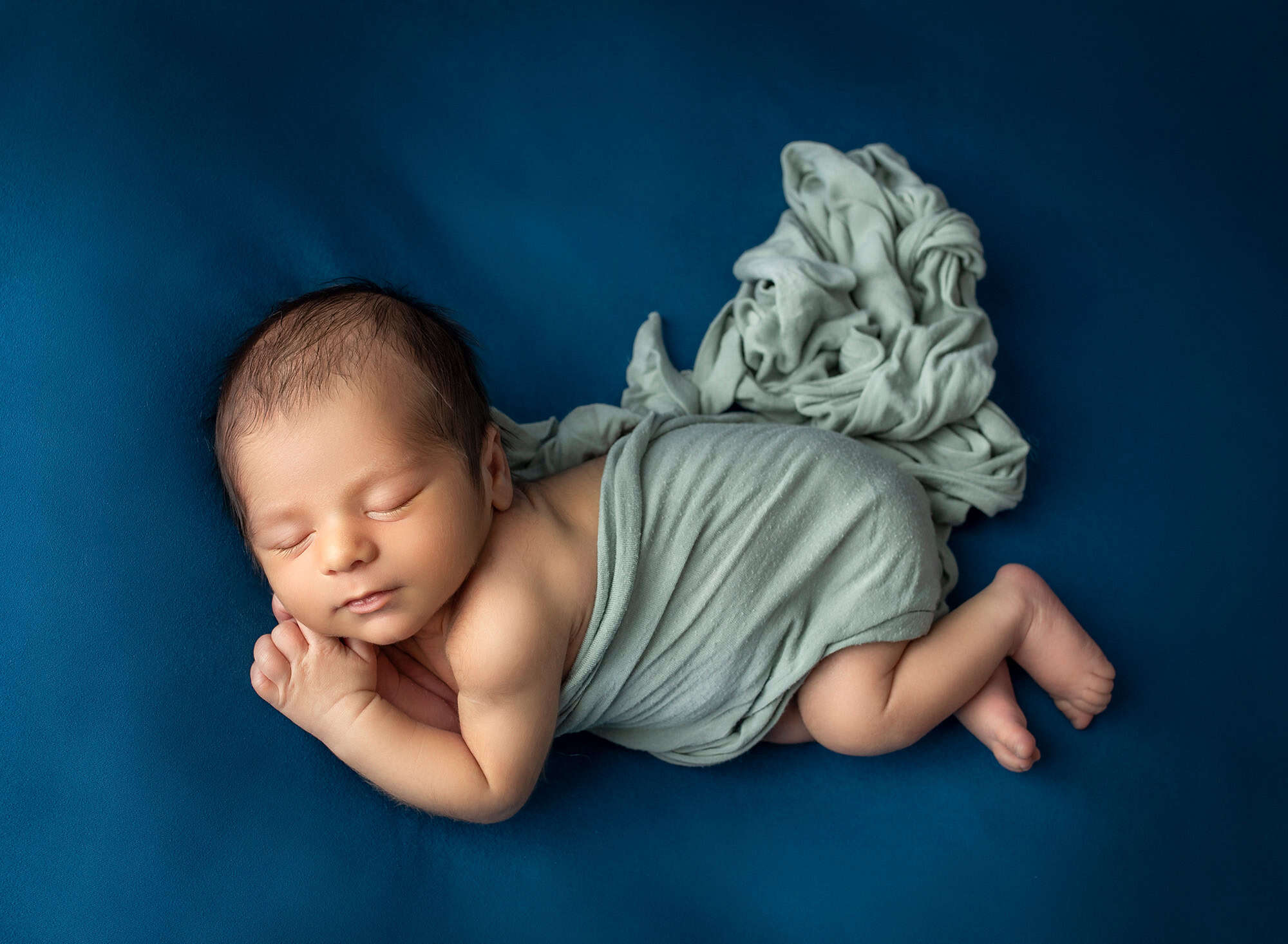
These temporary features actually make for some of the most authentic and endearing photographs. Professional newborn photographers know how to work with these natural characteristics, positioning babies in ways that create beautiful compositions while celebrating their unique features.
Creating a Safe and Comfortable Environment
Safety and comfort form the cornerstone of caring for your beautiful newborn. The U.S. Department of Health & Human Services provides comprehensive guidance on newborn care that every parent should review.
Temperature regulation is especially crucial. Newborns cannot regulate their body temperature effectively, making them vulnerable to both overheating and becoming too cold. Keep your home between 68-72°F, and dress your baby in one more layer than you’re wearing.
Daily Care Essentials
| Care Activity | Best Practices | Timing |
|---|---|---|
| Bathing | Sponge baths until umbilical cord falls off | 2-3 times per week |
| Diapering | Check every 2-3 hours | As needed |
| Feeding | On demand or scheduled | Every 2-3 hours |
| Sleep | Back sleeping position always | 14-17 hours daily |
When handling your beautiful newborn, always support their head and neck. Their muscles are still developing strength, and proper support prevents injury while making them feel secure. This becomes particularly important during photography sessions, where positioning is key to achieving those coveted curled-up poses.
The Art of Timing: When to Schedule Newborn Photography
Most parents wonder about the optimal time to capture images of their beautiful newborn. Professional photographers typically recommend scheduling sessions within the first 5-14 days after birth, and there’s solid reasoning behind this window.
During this early period, babies still curl naturally into those womb-like positions that create classic newborn photographs. They sleep more deeply, making it easier to pose them gently without disruption. Expert newborn photographers emphasize timing as one of the most critical factors in session success.
Why the First Two Weeks Matter
Physical flexibility: Your beautiful newborn’s joints and muscles remain naturally flexible, allowing for gentle positioning.
Sleep patterns: Deeper sleep cycles make sessions smoother and less stressful for everyone involved.
Skin appearance: Before baby acne typically appears (around week 3), skin has that perfect newborn glow.
Minimal fussiness: Younger newborns tend to settle more easily during sessions.
That said, it’s never too late to photograph your baby. Each stage brings its own beauty, from those earliest days through the first few months when personalities begin to emerge.
Preparing Your Beautiful Newborn for a Photo Session
Preparation makes the difference between a stressful experience and a peaceful one. Professional studios like One Big Happy Photo guide families through this process, but understanding what to expect helps you feel confident and ready.
Feed your baby right before the session. A full, content baby is more likely to sleep peacefully and remain calm during posing. Plan for the session to last 2-4 hours, allowing plenty of time for feeding breaks, diaper changes, and soothing as needed.
Avoid scheduling other appointments on session day. Your beautiful newborn doesn’t follow a predictable schedule yet, and rushing creates unnecessary stress. Keep the day open and flexible.
What to Bring and What to Skip
Bring these essentials:
- Extra diapers and wipes (more than you think you’ll need)
- Pacifiers if your baby uses them
- Breast pump or formula for feeding during breaks
- Burp cloths for post-feeding cleanup
- A change of clothes for parents (spit-up happens!)
Leave these at home:
- Lotion or oils applied just before the session (can create shine in photos)
- Strong perfumes or colognes (may irritate baby’s sensitive nose)
- Expectations of specific poses if baby isn’t comfortable
Safety First: Understanding Professional Photography Practices
When entrusting someone to photograph your beautiful newborn, safety must be the absolute priority. Essential safety tips from experienced photographers include never leaving babies unattended and using spotters for certain poses.
Composite photography has become standard practice for those Pinterest-worthy poses. What appears as a baby balanced in a basket or hanging from a branch is actually multiple images carefully merged together. Throughout the actual session, adult hands always support your beautiful newborn, and those hands are later edited out.
Red Flags to Watch For
| Safe Practice | Unsafe Practice |
|---|---|
| Spotter always present during posing | Baby left unposed and unsupported |
| Warm studio environment (75-80°F) | Cool room temperature |
| Poses held briefly, baby fully supported | Extended time in uncomfortable positions |
| Parent input welcomed and encouraged | Parent concerns dismissed |
| Sanitized props and clean workspace | Questionable hygiene practices |
A reputable photographer should welcome your questions about safety and be transparent about their methods. They’ve invested in training, understand newborn physiology, and prioritize your baby’s wellbeing above getting any particular shot.
Styling Your Beautiful Newborn Photography Session
The styling choices you make influence how timeless your photographs will feel years from now. While trendy props and elaborate setups might seem appealing, simple and classic approaches tend to age better.
Professional studios typically provide an extensive collection of wraps, headbands, hats, and props. These pieces are carefully curated to complement various skin tones and create cohesive collections of images.
Neutral tones like cream, beige, gray, and soft pastels work beautifully for newborn photography. They keep the focus on your beautiful newborn rather than distracting with bold patterns or colors. That doesn’t mean you can’t incorporate meaningful items-a special blanket from grandma or a tiny outfit with sentimental value can add personal touches.
Coordinating Family Wardrobe
If you’re including family portraits in your session, coordinate without being matchy-matchy:
- Choose a color palette of 2-3 complementary colors
- Mix textures (knits, lace, linen) for visual interest
- Avoid busy patterns and large logos
- Consider how colors photograph (bright white can be harsh)
- Dress comfortably since you may be sitting or lying down
Remember, these photographs will hang in your home for years. Select styling that reflects your family’s aesthetic and personality while remaining timeless enough to treasure indefinitely.
The Science of Soothing During Photo Sessions
Understanding what comforts your beautiful newborn transforms a potentially stressful session into a peaceful experience. Comprehensive newborn care resources emphasize the importance of recognizing and responding to baby’s cues.
The Five S’s, popularized by Dr. Harvey Karp, work remarkably well during photography sessions:
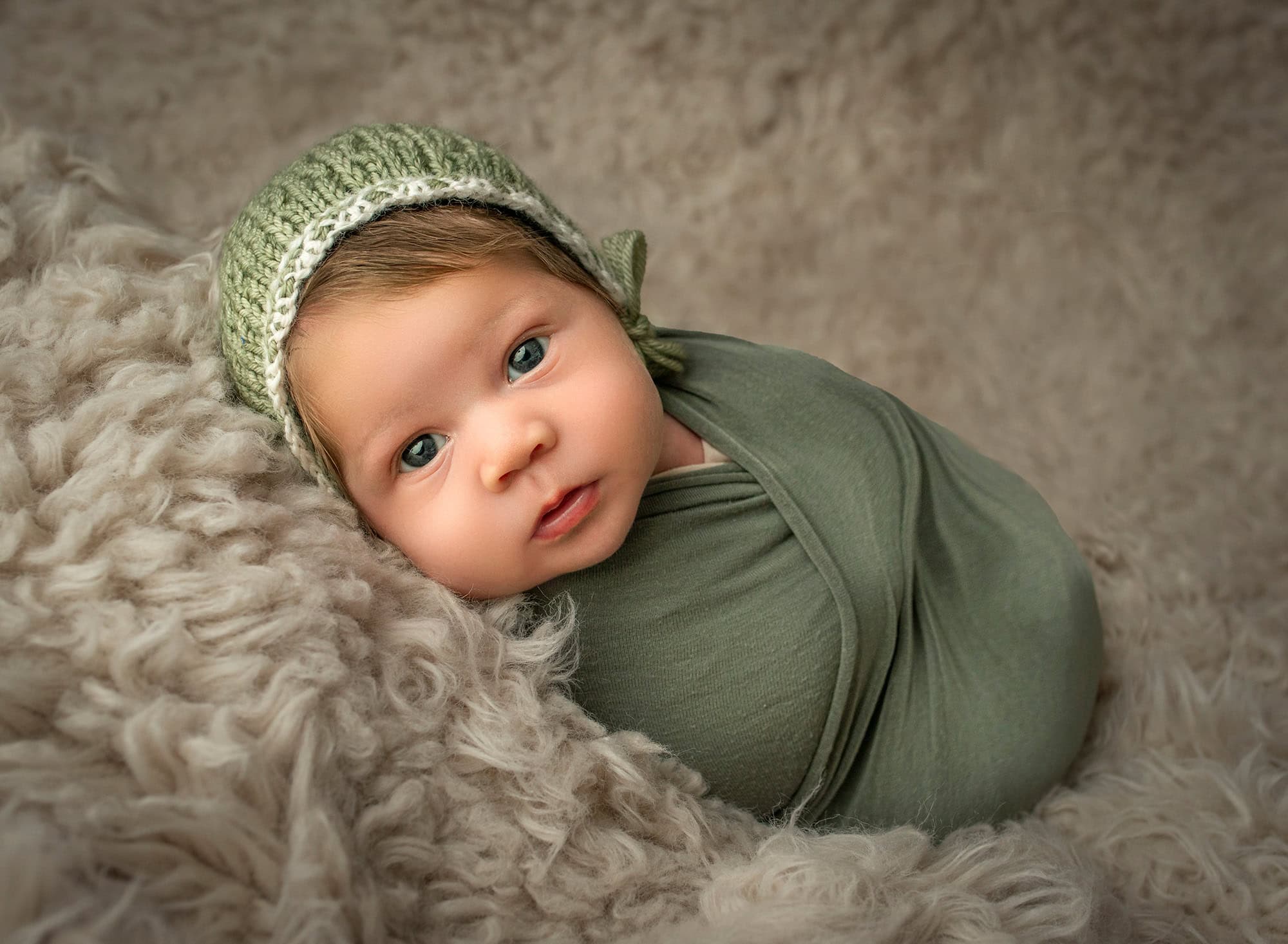
- Swaddling: Creates the snug feeling of the womb
- Side/stomach position: For soothing only (never for sleeping)
- Shushing: White noise mimics sounds baby heard in utero
- Swinging: Gentle, rhythmic motion
- Sucking: Pacifiers or nursing for comfort
Professional photographers often use white noise machines or apps playing womb sounds, rain, or static. These familiar sounds help your beautiful newborn relax into deeper sleep, making posing easier and safer.
Capturing Connection: Family and Sibling Portraits
While solo portraits of your beautiful newborn are precious, images that capture family bonds become increasingly valuable over time. These photographs document not just how your baby looked, but the love surrounding them from their very first days.
Sibling photos require extra patience and creativity. Toddlers and young children have short attention spans and may feel uncertain about this tiny new family member. Professional photographers know how to work quickly, engage older siblings, and capture authentic moments of connection.
Making Sibling Photos Successful
Involve them in the process: Let older siblings help choose a prop or decide where to stand. This investment makes them more cooperative.
Keep it short: Plan sibling photos for when the older child is well-rested and fed. Don’t save these for the end when everyone’s tired.
Celebrate authentic moments: The best sibling photos often aren’t the perfectly posed ones. A gentle kiss on baby’s head or a curious finger touch tells a beautiful story.
Have backup plans: If the older sibling isn’t cooperating, move on and come back to it later. Forcing interactions creates tension everyone will see in the images.
Parents often choose to participate in some family portraits while keeping others focused on their beautiful newborn alone. This variety creates a well-rounded collection that tells the complete story of this moment in your family’s journey.
Preserving Your Investment: From Digital Files to Heirloom Pieces
After your session, you’ll face decisions about how to preserve and display these precious images of your beautiful newborn. The digitization of photography has changed how we store and share images, but printed photographs remain irreplaceable.
Digital files are convenient for sharing with distant relatives and posting on social media, but they’re also vulnerable. Hard drives fail, phones get lost, and cloud storage requires ongoing management. Meanwhile, properly preserved prints last generations.

Display Options Worth Considering
| Product Type | Best For | Longevity |
|---|---|---|
| Gallery wall canvas | Creating focal point in nursery or living room | 50+ years |
| Fine art album | Preserving complete session story | 100+ years |
| Framed prints | Traditional display, various sizes | 100+ years |
| Photo boxes | Storage with easy access | 50+ years |
| Digital gallery | Sharing with family | Requires maintenance |
Professional photography studios offer archival-quality prints and pieces that far exceed what you can produce from home printers or drugstore kiosks. Museum-grade papers, premium canvases, and professional mounting ensure your beautiful newborn’s photographs remain vibrant and intact for decades.
Working With Your Photographer: Communication and Expectations
The relationship between family and photographer significantly impacts the session experience and final results. When researching photographers, look beyond just the portfolio. Read reviews, assess communication style, and consider their approach to client service.
Before your session, most professional photographers conduct consultations to discuss your vision, answer questions, and explain their process. This is your opportunity to share what matters most to you-whether that’s specific family dynamics, cultural traditions, or particular poses you’ve seen and loved.
Be honest about concerns. If you’re nervous about your beautiful newborn being handled, say so. If you have specific ideas about styling, share them. Professional photographers appreciate clients who communicate clearly rather than hoping the photographer will read their minds.
Questions to Ask Your Photographer
- What safety training and certifications do you have?
- How long have you specialized in newborn photography?
- What happens if my baby is fussy during the session?
- How many edited images are included, and when will I receive them?
- What products do you offer, and what are the pricing ranges?
- Can I see a full gallery from a recent session?
Professional studios that specialize in newborn work, like those serving families across Connecticut, New York, and Massachusetts, bring expertise that generalist photographers may lack. This specialization means understanding newborn behavior, mastering safe posing techniques, and creating comfortable studio environments optimized for your beautiful newborn’s needs.
The Value of Professional Newborn Photography
In an era when everyone has a camera in their pocket, parents sometimes wonder whether professional newborn photography is worth the investment. The answer lies in understanding what you’re actually purchasing.
Professional newborn photography isn’t just about having nice pictures. It’s about:
- Safety expertise that protects your beautiful newborn during posing
- Technical skill in lighting, exposure, and editing
- Experience managing newborn needs and family dynamics
- Artistry that transforms simple moments into heirloom pieces
- Time savings while you focus on recovering and bonding
- Premium collections that withstand the test of time
Photography experts emphasize that the investment in professional services pays dividends for decades. These aren’t just photographs-they’re tangible connections to memories that fade far too quickly.
Consider that these first weeks with your beautiful newborn happen only once. You can’t recreate those tiny features, that delicate skin, or those brand-new expressions. Professional photography ensures you capture this unrepeatable moment at its finest.
Beyond the First Two Weeks: Milestone Photography
While newborn photography typically focuses on those first 14 days, many families choose to continue documenting their beautiful newborn’s growth through milestone sessions. Common timing includes 3 months, 6 months, 9 months, and the first birthday.
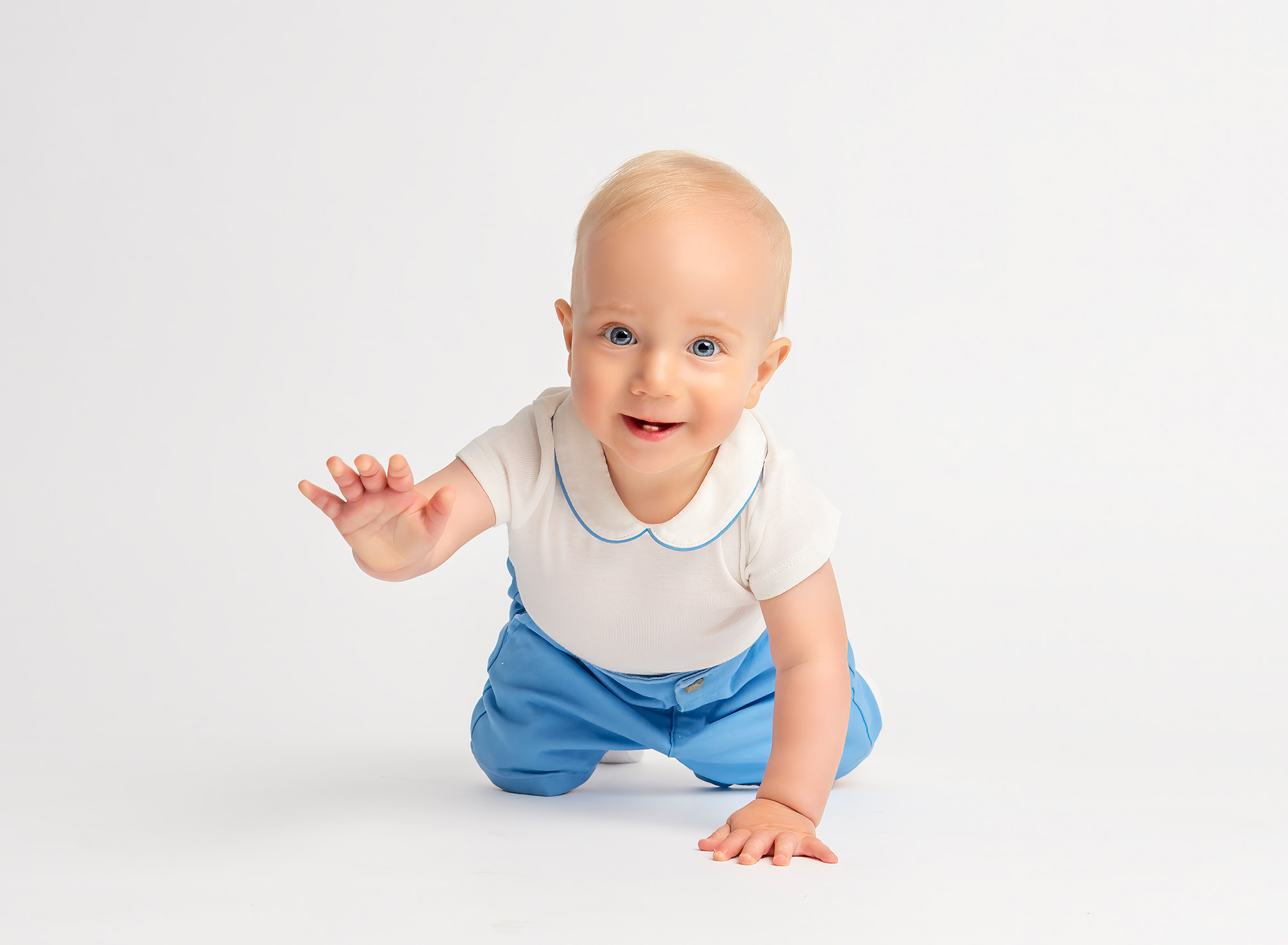
These sessions create a visual timeline of your child’s development. The tiny newborn curled in a basket becomes the bright-eyed three-month-old with discovering hands, then the sitting six-month-old, the crawling nine-month-old, and finally the cake-smashing one-year-old.
Consistency in photographer choice creates cohesive collections that look intentional when displayed together. The same styling aesthetic, editing approach, and quality standards carry through each session, telling a unified story of your child’s first year.
Planning a First-Year Package
Many professional studios offer first-year packages that bundle newborn and milestone sessions at a better value than booking separately. These packages often include:
- Newborn session (first 14 days)
- Three-month sitting session
- Six-month sitting/standing session
- Nine-month crawling session
- One-year cake smash and portraits
Booking these sessions when you schedule your beautiful newborn photography ensures you’ve reserved spots on the photographer’s calendar and locked in current pricing.
Creating Your Photography Timeline
Once you’ve decided to invest in professional photography for your beautiful newborn, creating a timeline helps ensure everything flows smoothly. Ideally, book your photographer during your second or third trimester, well before your due date.
Before birth:
- Research and book photographer (months 6-7 of pregnancy)
- Attend pre-session consultation
- Confirm tentative session date (usually 5-10 days after due date)
- Finalize styling preferences and family involvement
After birth:
- Notify photographer within 24-48 hours of delivery
- Confirm final session date and time
- Prepare items to bring
- Focus on feeding and rest leading up to session
Session day:
- Keep schedule clear and flexible
- Feed baby immediately before leaving
- Arrive relaxed and without rush
- Trust the process and your photographer
After session:
- Allow 2-4 weeks for editing and gallery delivery
- Review images and make selections
- Place order for prints and pieces
- Share digital images with family and friends
This structured approach removes stress and uncertainty, allowing you to focus on what matters most-bonding with and caring for your beautiful newborn while professionals handle preserving these precious moments.
The early days with your beautiful newborn pass in a precious blur of feeding, sleeping, and falling deeper in love with this tiny person. Professional photography ensures you hold onto these fleeting moments long after your baby has grown. If you’re expecting or have recently welcomed your little one, One Big Happy Photo specializes in creating custom photography experiences that combine artistry, safety, and luxury service. Serving families throughout Connecticut, New York, and Massachusetts, we’re here to help you preserve your family’s most cherished memories with heirloom-quality photographs you’ll treasure for generations.