
Different Kinds of Photography Shots Explained
Understanding the different kinds of photography shots transforms how you capture life’s most precious moments. Whether you’re browsing newborn galleries or planning your own photo session, knowing these fundamental shot types helps you appreciate the artistry behind each image and communicate your vision more clearly with your photographer. As a Connecticut newborn photographer with over 12 years of experience, I’ve used every shot type to create heirloom-quality portraits that families treasure forever.
The Foundation: Wide Shots That Tell the Full Story
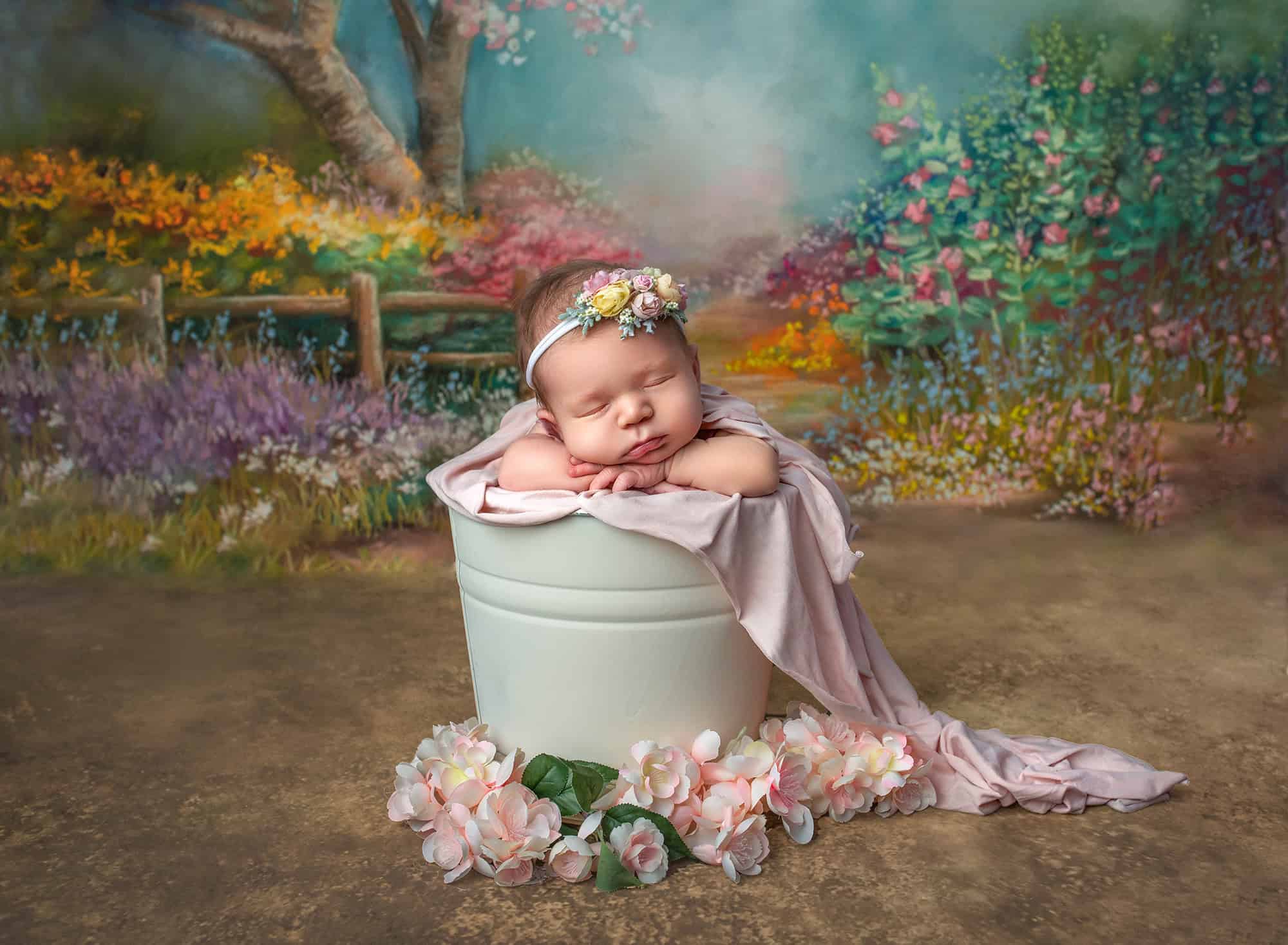
Wide shots establish context and capture the entire scene, making them essential for creating narrative depth in any photo session. These types of camera shots and angles include everything from extreme wide shots to medium-wide compositions.
Extreme wide shots showcase the entire environment, perfect for documenting a newborn’s nursery or the complete setup of a lifestyle session. When I photograph families at One Big Happy Photo, I often start with these establishing shots to capture the warmth of the home environment before moving closer.
Wide shots bring viewers slightly closer while still showing substantial background. For newborn photography Connecticut sessions, this might mean capturing baby in their crib with the carefully designed nursery visible around them. These shots work beautifully for:
- Showing family interactions in their natural space
- Documenting the scale and setting of studio setups
- Creating context for closer shots that follow
- Highlighting props and environmental details that matter
The beauty of wide shots lies in their storytelling power-they answer the “where” question that helps viewers understand the complete picture.
Medium Shots: The Sweet Spot for Connection
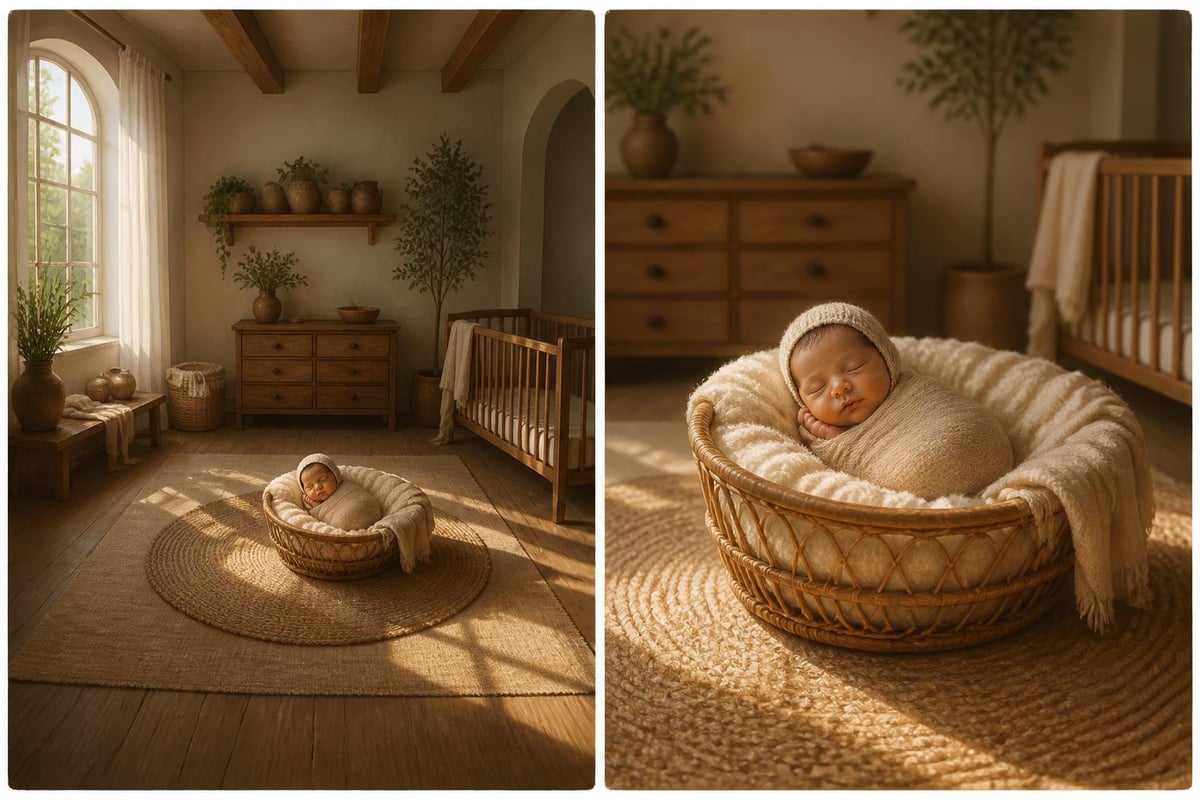
Medium shots strike a perfect balance between environmental context and subject focus. According to comprehensive photography guides, these shots typically frame subjects from the waist up, creating intimacy without losing all environmental context.
In newborn photography CT sessions, medium shots excel at capturing:
- Parent holding baby with both faces clearly visible
- Sibling interactions with the new arrival
- Baby in a posed setup with props partially visible
- Nursing or feeding moments with emotional connection
Medium-wide shots pull back slightly to include more context, perfect for showing a mother cradling her newborn while sitting in a rocking chair. Medium close-ups move in tighter, focusing on the embrace itself while minimizing background distractions.
| Shot Type | Frame Coverage | Best For | Emotional Impact |
|---|---|---|---|
| Medium-Wide | Knees to head | Group interactions | Contextual warmth |
| Standard Medium | Waist to head | Individual portraits | Balanced connection |
| Medium Close-Up | Chest to head | Emotional moments | Intimate engagement |
These different kinds of photography shots work together to create visual variety in your newborn gallery, ensuring each image offers something unique while maintaining cohesive storytelling.
Close-Ups: Capturing Precious Details
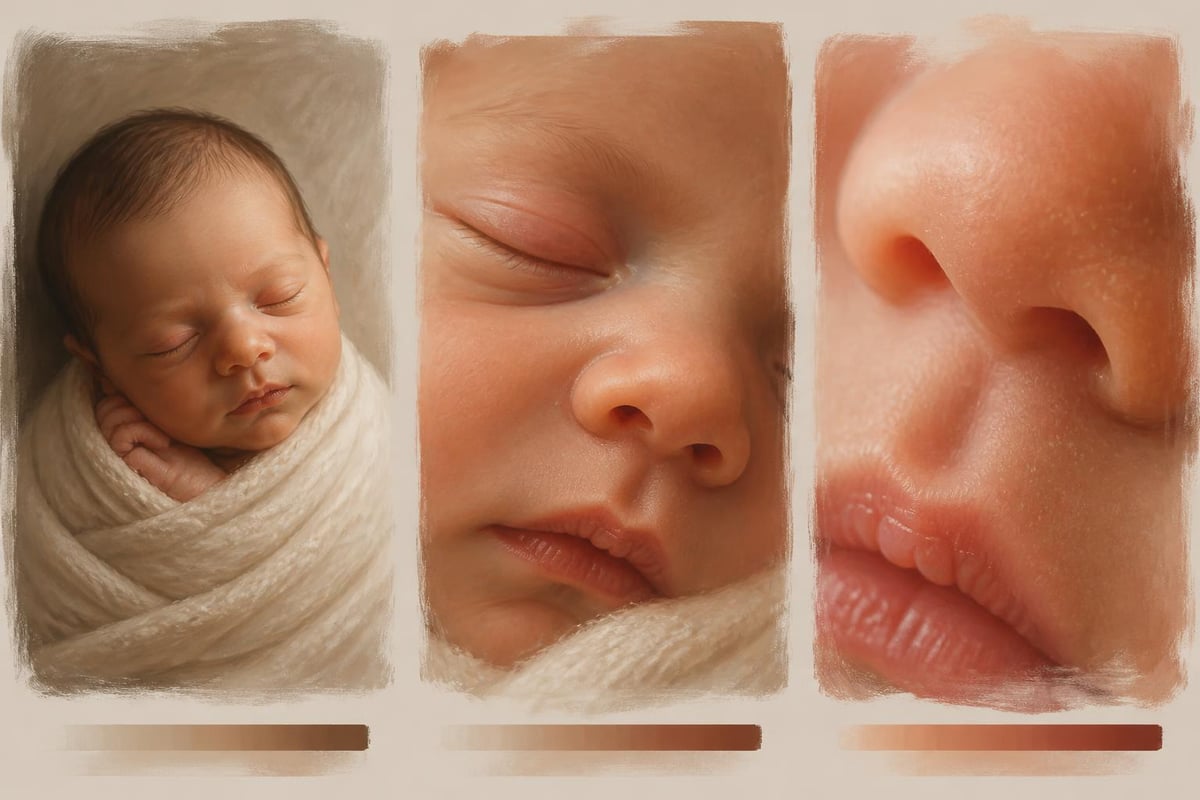
Close-up shots bring viewers into the intimate details that make newborn photography so magical. These shots focus tightly on specific features, eliminating most or all background to create powerful emotional impact.
Standard close-ups frame the subject’s face, filling most of the frame with those tiny features parents want to remember forever. When working as a CT newborn photographer, I use these shots to capture:
- The serene expression of a sleeping newborn
- First smiles and subtle facial changes
- Eye contact between parent and baby
- Delicate skin texture and coloring
Extreme close-ups go even tighter, isolating specific details like tiny fingers wrapped around a parent’s thumb, individual eyelashes, or the delicate curve of baby’s ear. These shots create stunning detail-oriented compositions that showcase features you might otherwise overlook.
The power of close-ups cannot be overstated. They force viewers to slow down and appreciate the incredible details of your newborn’s first days-details that change remarkably fast.
Macro Shots: Beyond Standard Close-Ups
Macro photography takes detail work to another level entirely. While technically a genre rather than just a shot type, macro photography techniques deserve mention when discussing different kinds of photography shots for newborns.
True macro shots capture subjects at life-size or larger on the camera sensor, revealing textures and details invisible to the naked eye. In newborn photography Connecticut studios, this might include:
- Individual eyelashes with incredible clarity
- Skin texture showing tiny baby hair
- Fingernail detail and knuckle wrinkles
- Lip texture and subtle expressions
These shots require specialized equipment and techniques but create absolutely breathtaking heirloom images that families cherish for generations.
Full Shots and Their Variations
Full shots capture the entire subject from head to toe, providing complete visual information about pose, outfit, and overall composition. Film and photography professionals rely heavily on these shots to establish subject presence and showcase complete styling.
For Connecticut newborn photography sessions, full shots serve several important purposes. They document baby’s complete size and proportions during those fleeting early days. They showcase beautifully styled outfits, wraps, and accessories from head to tiny toes. They capture complete poses in props like buckets, baskets, and nests.
Full body shots with space include substantial environment around the subject, showing baby positioned within a larger setting. This works wonderfully for lifestyle sessions where you want to see baby in their crib, on their changing table, or nestled in a parent’s arms with their whole bodies visible.
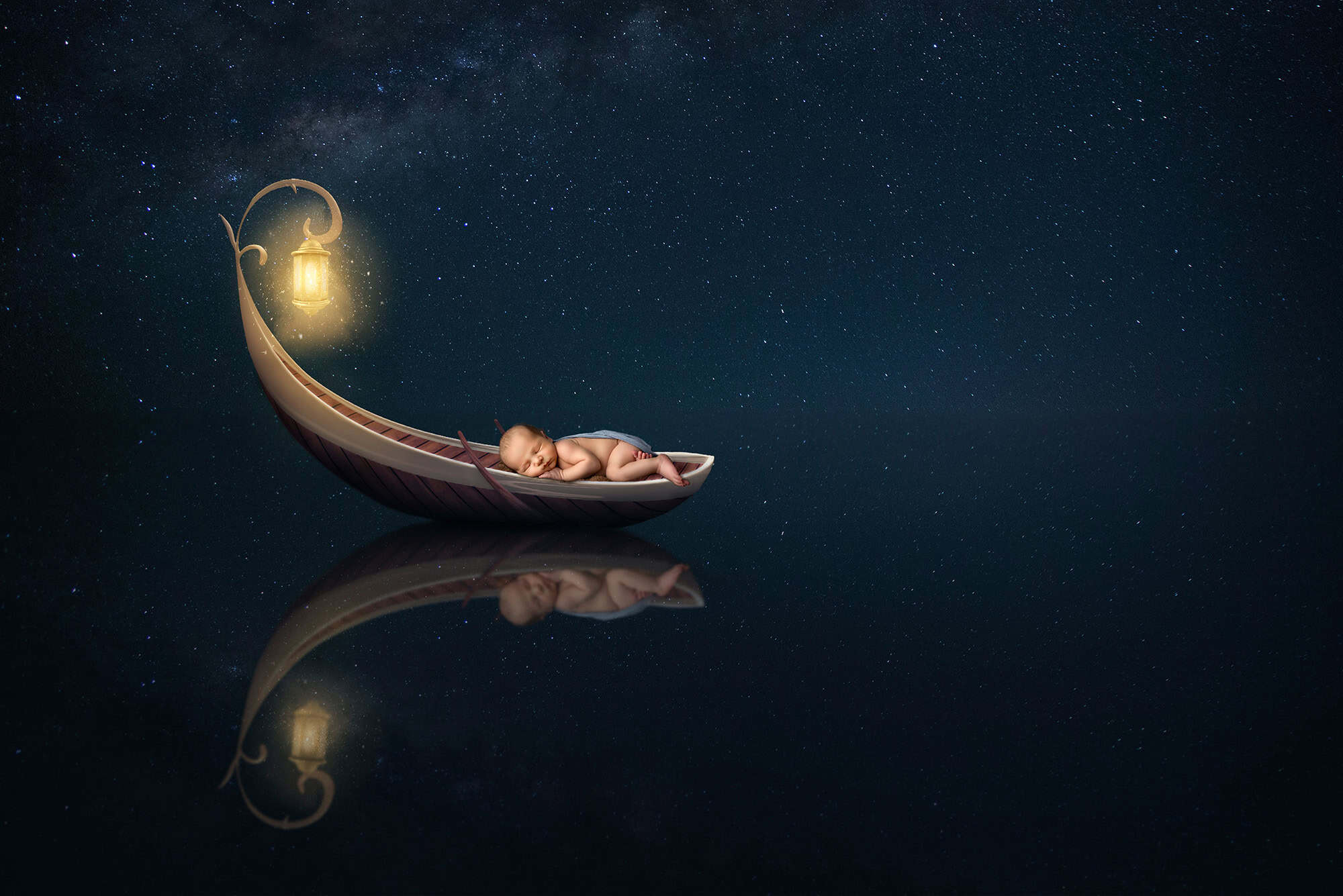
Tight full shots minimize background space, focusing primarily on the subject while still showing them completely. These shots emphasize the subject while reducing distractions, perfect for showcasing specific poses or outfits against simple backdrops.
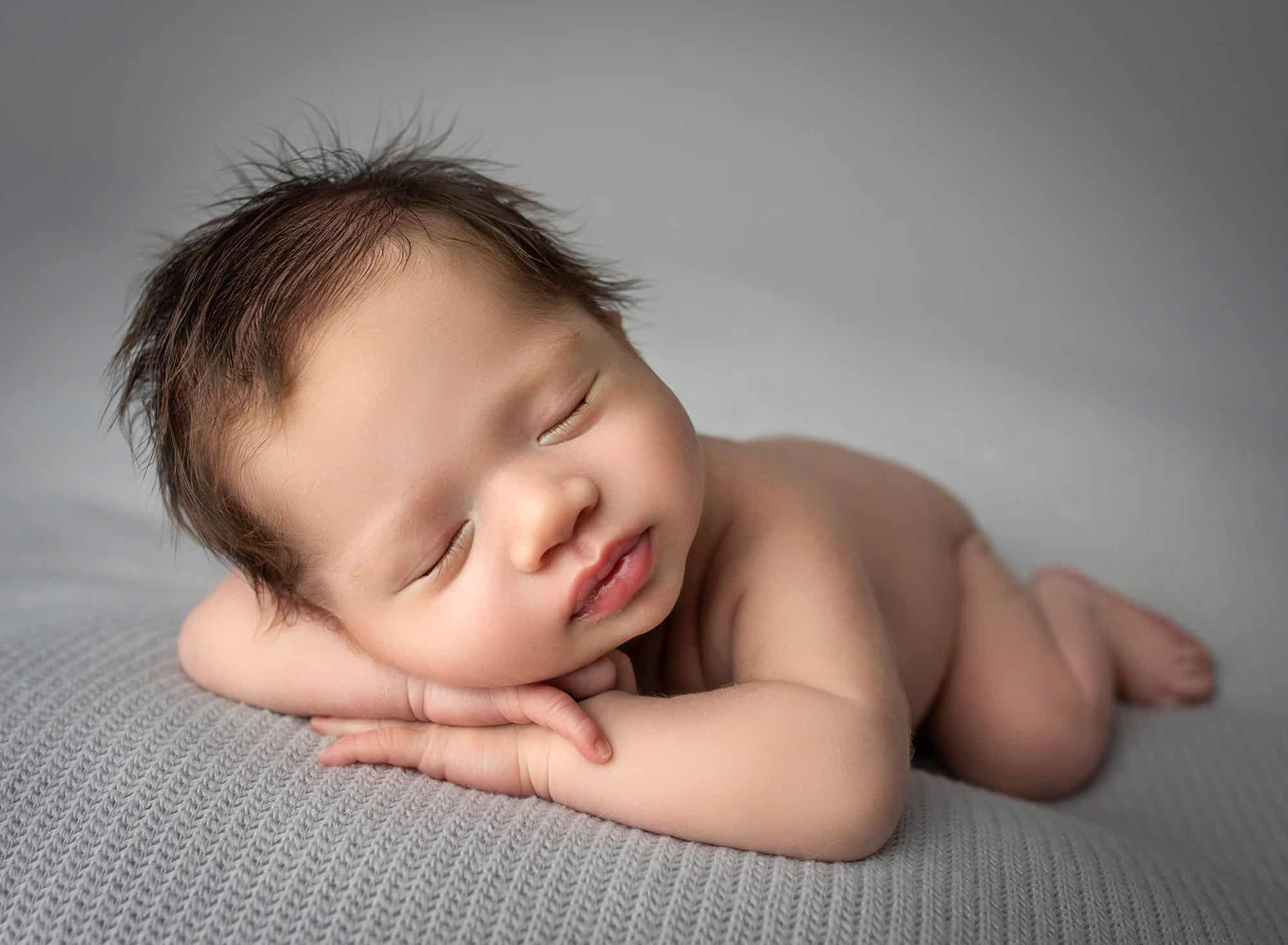
The different kinds of photography shots in this category allow photographers to balance between showing the complete subject and maintaining focus on what matters most.
Over-the-Shoulder and Point-of-View Shots
Over-the-shoulder (OTS) shots and point-of-view perspectives create unique intimacy by placing viewers in specific positions relative to the scene. These compositional approaches add dynamic variety to newborn sessions.
Over-the-shoulder shots position the camera behind one subject looking toward another, with part of the closer subject’s shoulder and head visible in the frame. For maternity photography Connecticut sessions or family photography, this might show:
- Mother’s shoulder and profile as she gazes at her newborn
- Father looking down at baby in his arms
- Sibling peering over the edge of the crib
- Parent’s perspective during nursing or bonding
These shots create a sense of shared experience, inviting viewers to see the scene from someone else’s vantage point.
Point-of-view (POV) shots take this further by showing exactly what one subject sees. A POV shot might show a parent’s view looking down at their newborn during a feeding, or baby’s perspective looking up at loving faces above. While less common in traditional newborn photography, these perspectives add creative variety and emotional depth.
High Angle and Low Angle Perspectives
Camera angle dramatically affects how viewers perceive subjects, making angle selection one of the most powerful creative tools in photography. Understanding shot angles and their applications helps create more dynamic, engaging galleries.
High angle shots position the camera above the subject looking down. For newborn photography CT work, this perspective offers several advantages:
- Makes babies appear smaller and more vulnerable (emphasizing their delicate nature)
- Reduces background clutter by showing floor or backdrop
- Creates flattering perspectives for posed setups
- Provides clear view of baby’s face during overhead poses
CT maternity photographer sessions also benefit from slightly high angles, which can be flattering for expecting mothers while creating gentle, nurturing perspectives.
Low angle shots position the camera below the subject looking up. While less common for newborns themselves, low angles work beautifully for:
- Capturing parents holding baby from below, emphasizing their protective role
- Creating dramatic environmental shots in nurseries
- Adding variety to family group compositions
- Showcasing height and presence in sibling interactions
| Angle Type | Camera Position | Effect on Subject | Best Applications |
|---|---|---|---|
| High Angle | Above looking down | Smaller, vulnerable | Baby portraits, posed setups |
| Eye Level | Same height | Natural, relatable | Parent-baby interactions |
| Low Angle | Below looking up | Larger, powerful | Parents holding baby, environmental shots |
| Dutch Angle | Tilted horizon | Dynamic, energetic | Creative artistic shots |
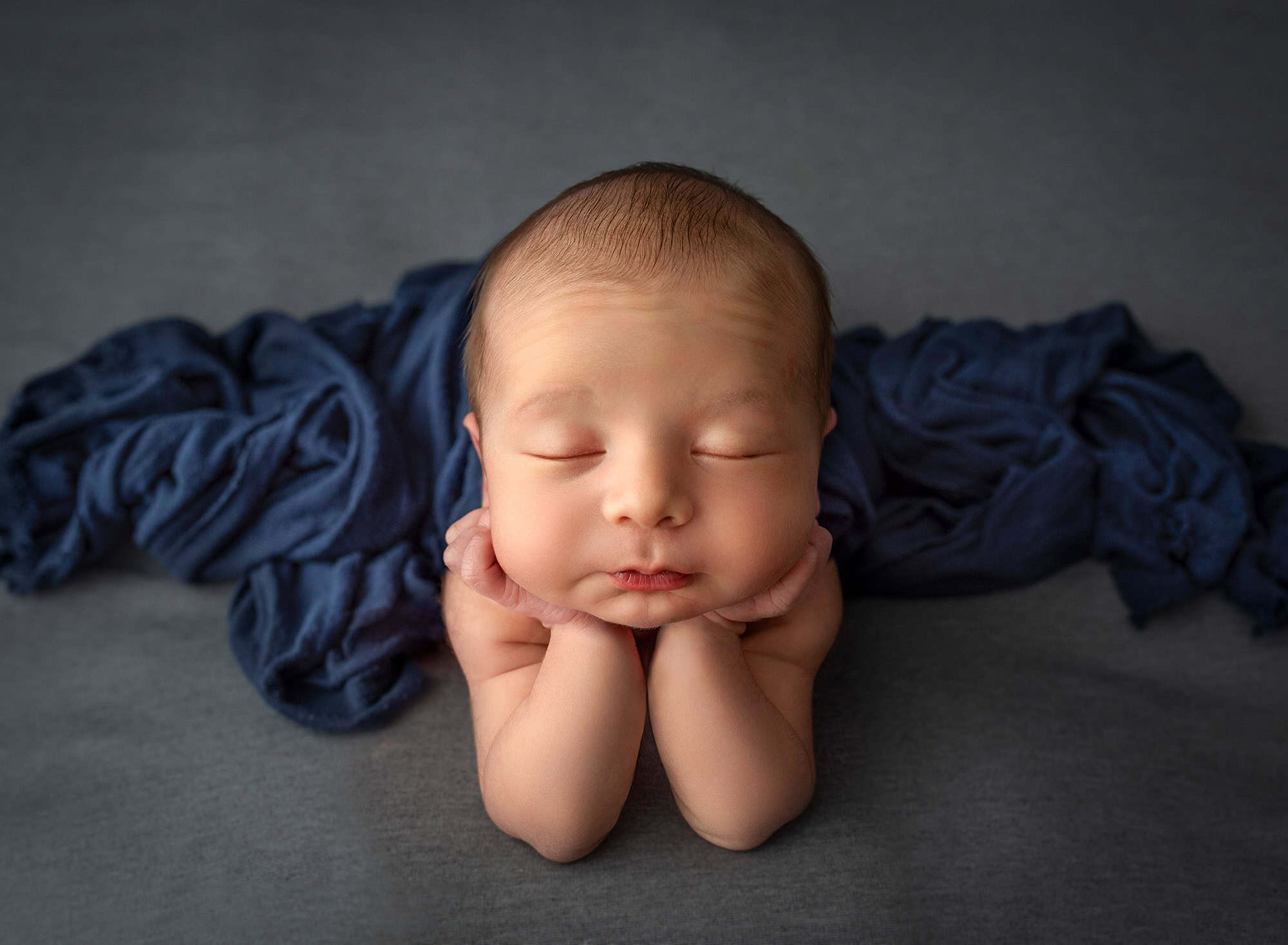
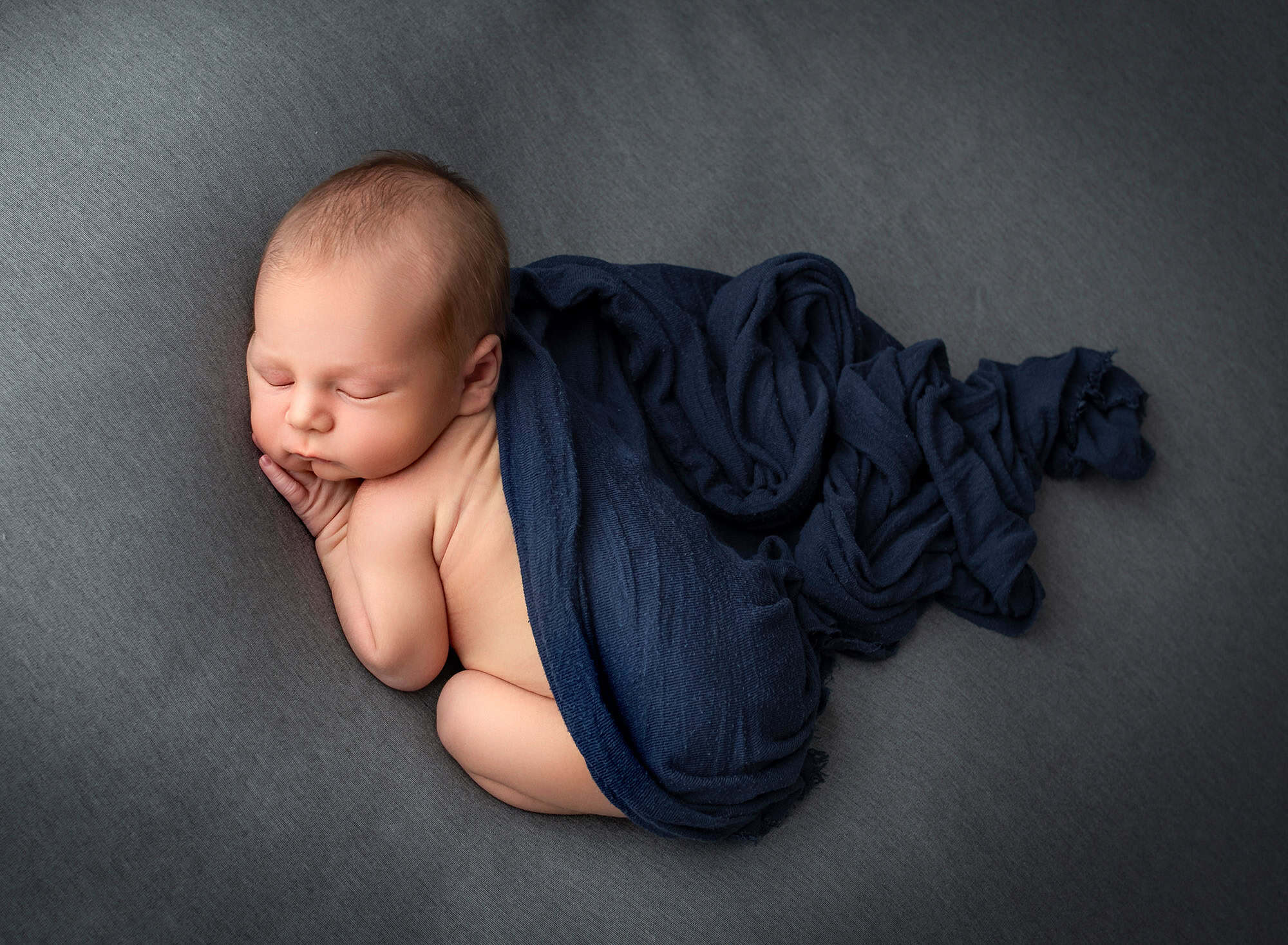
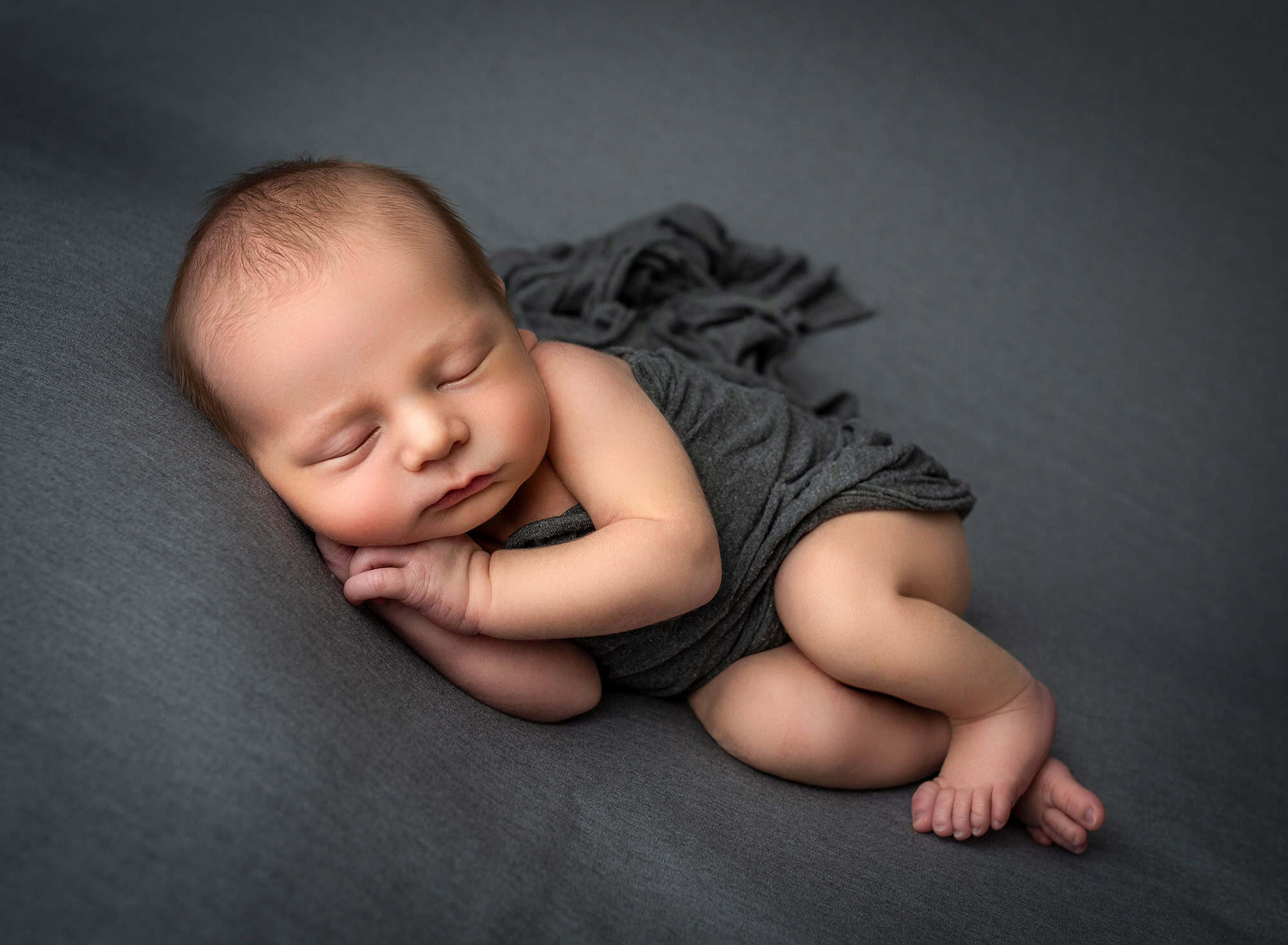
Varying angles throughout a session ensures visual diversity while serving different emotional and aesthetic purposes for each image.
Two-Shots, Three-Shots, and Group Compositions
When photographing multiple subjects together, specific framing conventions help create balanced, effective compositions. These different kinds of photography shots focus on subject count and arrangement rather than distance or angle.
Two-shots frame two subjects together, perfect for:
- Parent-baby bonding moments
- Twin or sibling portraits
- Couple holding their newborn
- Generational shots with grandparents
The key to effective two-shots lies in creating visual balance while showing clear connection between subjects. At One Big Happy Photo, I often use two-shots to capture the profound bond between mother and baby, especially during Connecticut maternity photography sessions that later evolve into newborn sessions.
Three-shots add another subject, creating triangular compositions that naturally please the eye. Family newborn sessions frequently use three-shots showing parents with baby, or baby with two siblings. These compositions require careful attention to:
- Balancing visual weight across three subjects
- Creating clear focal hierarchy (usually baby as primary focus)
- Managing expressions and interactions between multiple people
- Positioning subjects to create natural flow and connection
Group shots expand beyond three to capture extended family moments. When photographing babies and families, I use group shots to document the complete family unit welcoming their newest member-grandparents, siblings, parents, and baby all together creating treasured memories.
Establishing Shots and Insert Shots
Beyond basic framing, certain shot types serve specific storytelling functions within a complete photo session. Understanding these functional categories helps create comprehensive galleries that tell complete stories.
Establishing shots open the visual narrative by showing the complete setting and context. In newborn photography, establishing shots might include:
- Wide view of the nursery before the session begins
- Complete studio setup showing props and backdrops
- Family home exterior before entering for lifestyle session
- Overview of the prepared shooting area
These shots answer fundamental questions about where and when, grounding the rest of the session in specific time and place. While they may not be the images families frame on their walls, they add important context to digital galleries and albums.
Insert shots (also called cutaway shots) show specific details or related elements separate from the main action. For newborn sessions, inserts might capture:
- Close-ups of baby’s monogrammed blanket
- Detail shots of the nursery’s decor
- Hand-carved wooden name sign
- Special heirloom items included in the session
These different kinds of photography shots enrich the complete story by highlighting meaningful details that deserve their own moments.
Creative Shots: Dutch Angles and Abstract Compositions
While traditional shot types form the foundation of most sessions, creative approaches add artistic flair and unique perspectives that set exceptional photographers apart. As a Connecticut newborn photographer, I’ve learned when to use creative shots to enhance rather than overwhelm.
Dutch angle shots (also called canted or oblique angles) tilt the camera so the horizon isn’t level, creating dynamic tension. While dramatic Dutch angles suit action and tension-filled scenarios, subtle tilts can add gentle energy to newborn compositions without feeling chaotic.
Abstract shots move beyond traditional representation to focus on patterns, textures, and artistic interpretation. In newborn photography Connecticut sessions, abstract approaches might include:
- Extreme close-ups that become studies in texture and form
- Intentionally out-of-focus backgrounds creating dreamlike quality
- Silhouettes emphasizing shape and relationship over detail
- Reflections in mirrors or windows adding layers of meaning
The key to successful creative shots lies in using them purposefully rather than randomly. Each creative choice should enhance the emotional impact or artistic vision rather than simply being different for difference’s sake.
Reaction Shots and Candid Moments
Not every shot needs to be carefully posed and styled. Some of the most treasured images capture genuine reactions and unscripted moments between carefully arranged poses.
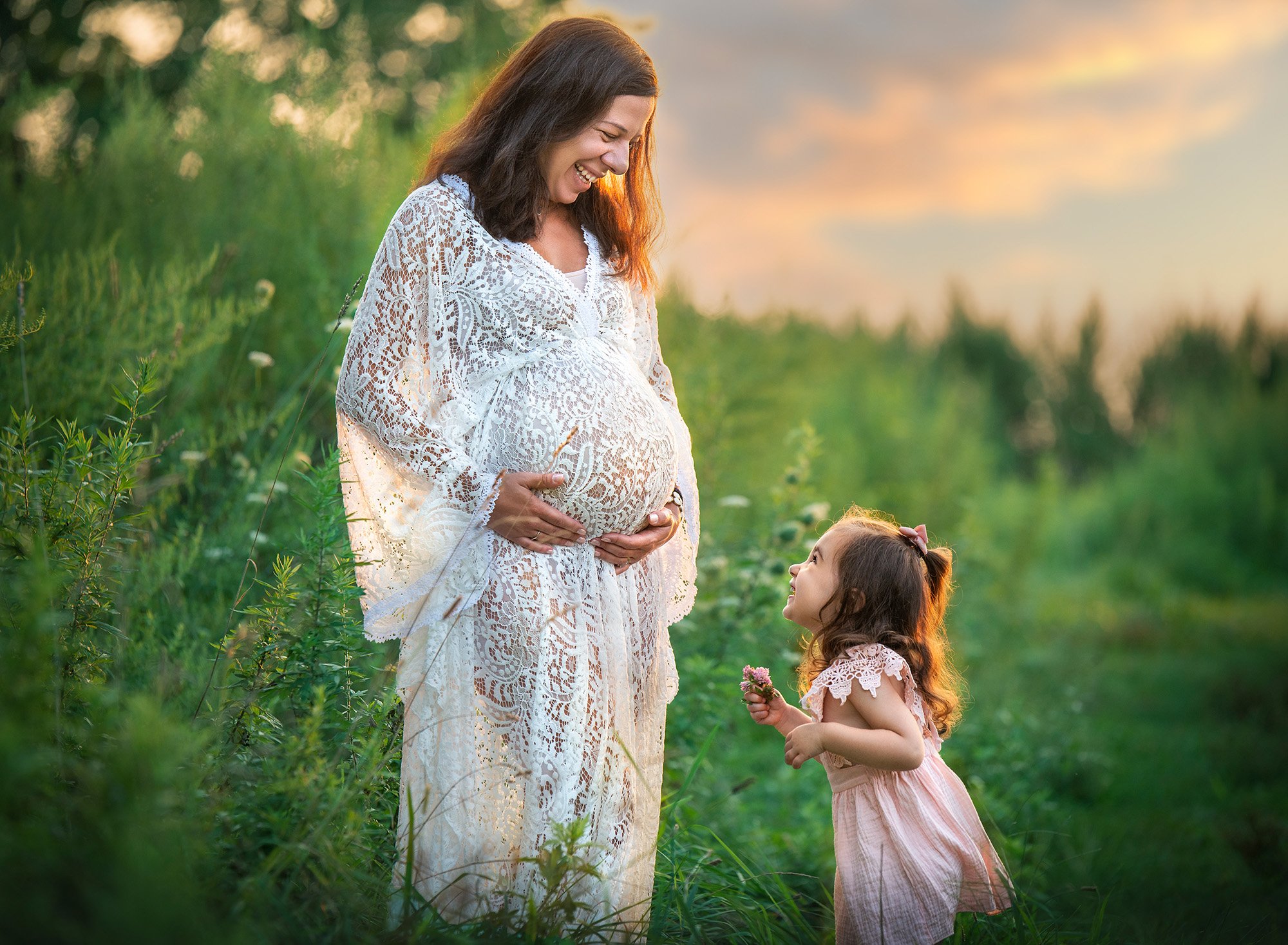
Reaction shots focus on subjects responding to something happening off-camera or to another subject. CT maternity photography sessions might include a father’s expression seeing his baby for the first time, or a sibling’s delighted reaction when baby grasps their finger.
Candid shots capture natural moments without posed direction. During Connecticut maternity photography and newborn sessions, I always watch for:
- Parents naturally soothing their baby between poses
- Spontaneous smiles or coos
- Gentle kisses and touches that happen organically
- Siblings interacting without prompting
These authentic moments often become favorites precisely because they weren’t orchestrated. They reveal genuine emotion and connection that posed shots, while beautiful, sometimes miss.
Balancing carefully composed shots with spontaneous captures creates galleries with both artistic excellence and emotional authenticity-the hallmark of truly exceptional newborn photography.
Cutaway Shots and B-Roll in Photography
While cutaway and B-roll terminology comes primarily from video production, the concepts apply meaningfully to still photography sessions as well. These supporting shots add depth and completeness to comprehensive newborn galleries.
Cutaway shots show action or details related to but separate from the main subject. During a newborn session, this might include:
- Parent’s hands preparing the next prop or outfit
- Photographer’s assistant arranging blankets and positioners
- The view from across the room showing the complete scene
- Environmental context like window light streaming in
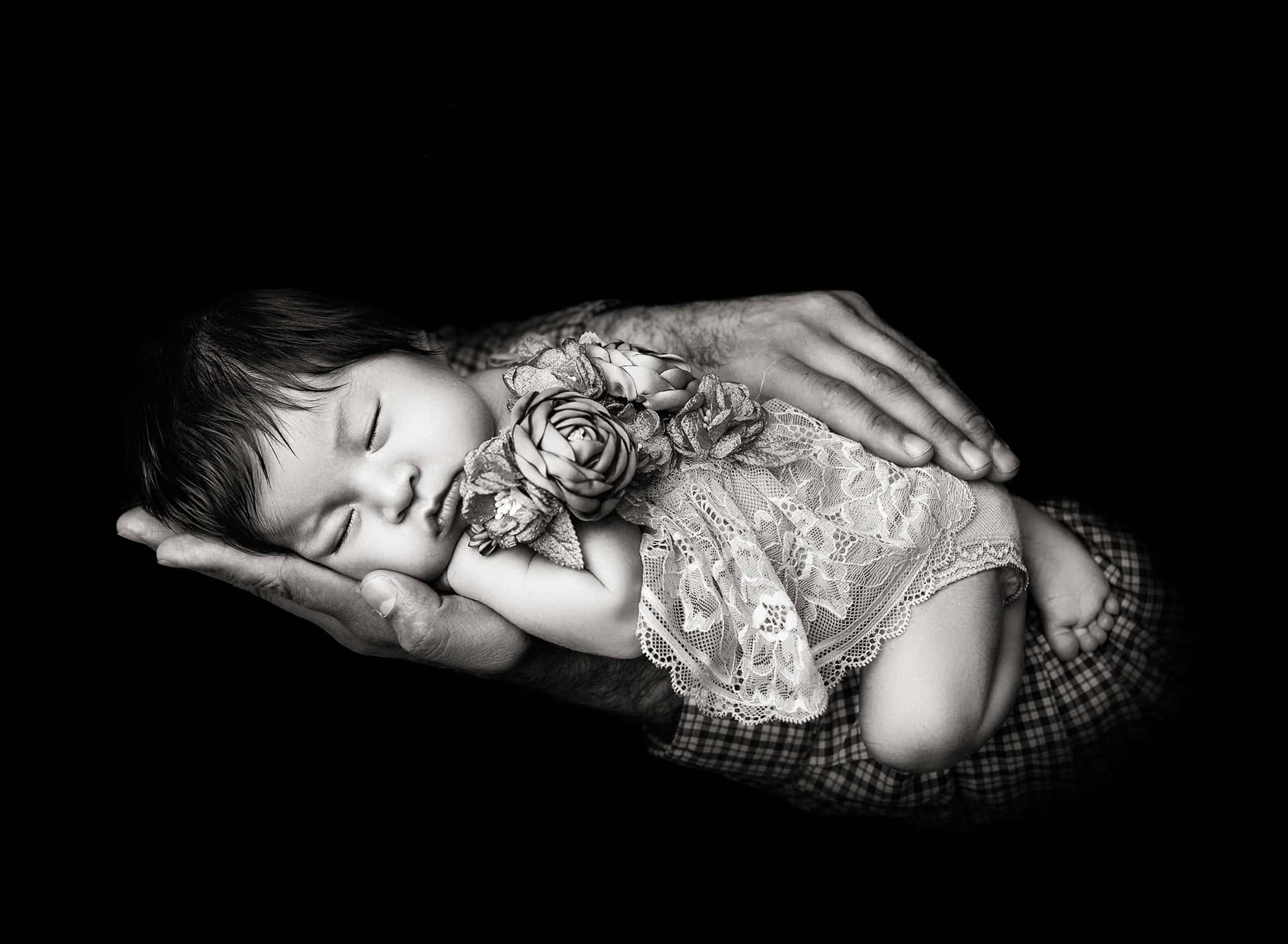
These shots rarely become primary gallery images, but they add valuable context for storytelling and album design.
B-roll equivalents in photography include all the supporting images that round out a session-environmental shots, detail captures, process documentation, and transitional moments. Professional photographers capture these different kinds of photography shots knowing they serve important purposes in creating complete, satisfying galleries.
Technical Shots: Bokeh, Focus, and Depth
While not shot types in the traditional sense, certain technical approaches create distinct visual effects that function as different styles within a session.
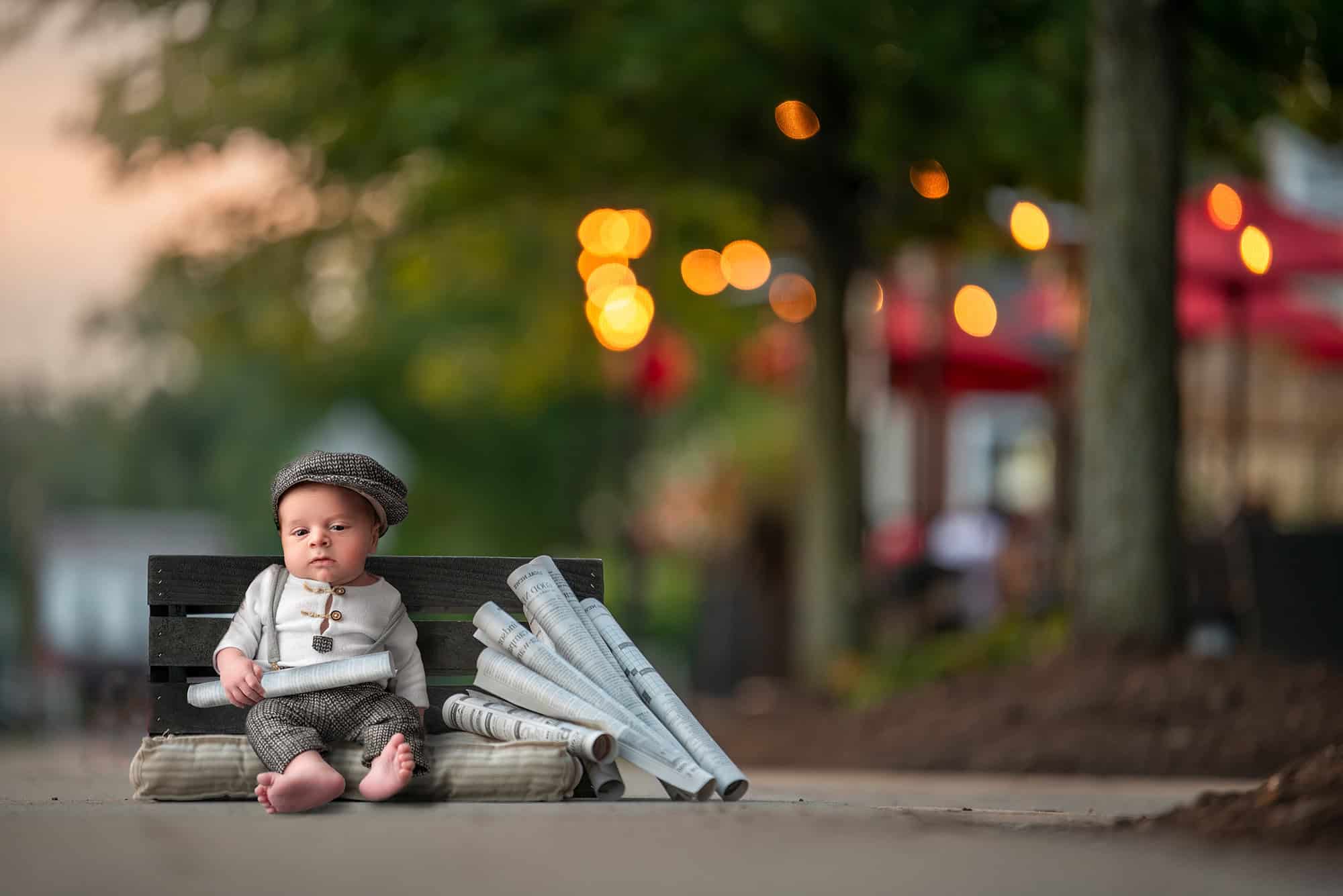
Bokeh-heavy shots use wide apertures and specific lens characteristics to create beautifully blurred backgrounds with pleasing out-of-focus qualities. In CT newborn photography, bokeh shots create:
- Dreamy, ethereal backgrounds that emphasize baby
- Soft, gentle mood perfect for newborn aesthetics
- Clear subject separation even in busy environments
- Artistic quality that feels luxurious and refined
Deep focus shots keep everything sharp from foreground through background, using smaller apertures to maintain clarity throughout the scene. While less common in newborn work (which typically favors shallow depth), deep focus serves specific purposes:
- Documenting complete nursery setups with all details sharp
- Group shots where everyone needs to be in focus
- Environmental portraits showing baby within crisp, clear context
- Detail shots of collections or multiple props together
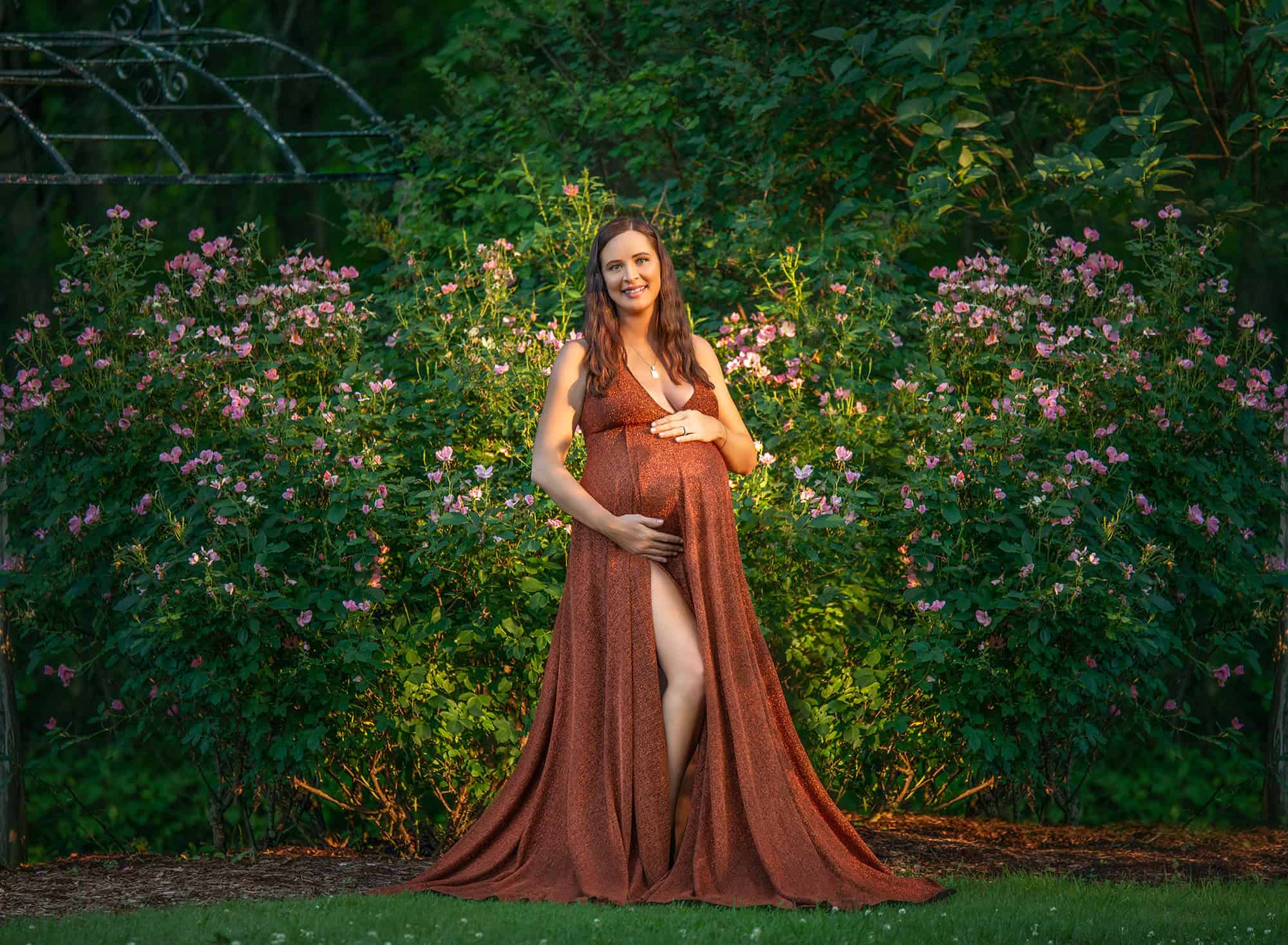
| Technical Approach | Aperture | Visual Effect | Emotional Impact | Best Uses |
|---|---|---|---|---|
| Shallow Depth (Bokeh) | f/1.4-f/2.8 | Blurred background | Dreamy, intimate | Individual portraits |
| Medium Depth | f/4-f/5.6 | Slightly soft background | Balanced, natural | Parent-baby interactions |
| Deep Depth | f/8-f/16 | Everything sharp | Clear, documentary | Environmental contexts |
Understanding how depth of field functions as a creative tool helps photographers make intentional choices about which different kinds of photography shots best serve each moment.
Applying Shot Types to Newborn Photography
Every photography session benefits from intentional variety in shot selection, but newborn photography particularly demands thoughtful progression through different types. A well-planned newborn photography CT session typically flows through several stages:
Opening establishment (5-10 minutes): Wide shots of the setting, parents with baby, establishing context and comfort.
Posed portraits (20-30 minutes): Progression from full shots to close-ups, working through planned poses while baby is settled.
Detail captures (10-15 minutes): Extreme close-ups and macro shots of tiny features-hands, feet, eyelashes, lips.
Family connections (15-20 minutes): Two-shots and three-shots with parents and siblings, medium to close-up range.
Creative moments (10-15 minutes): Artistic angles, creative compositions, and any special requests.
Candid closing (5-10 minutes): Reaction shots and natural moments as session winds down.
This progression ensures comprehensive coverage using different kinds of photography shots while respecting baby’s temperament and tolerance. Connecticut newborn photography requires patience and flexibility-the best sessions adapt shot selection to baby’s needs rather than forcing a rigid plan.
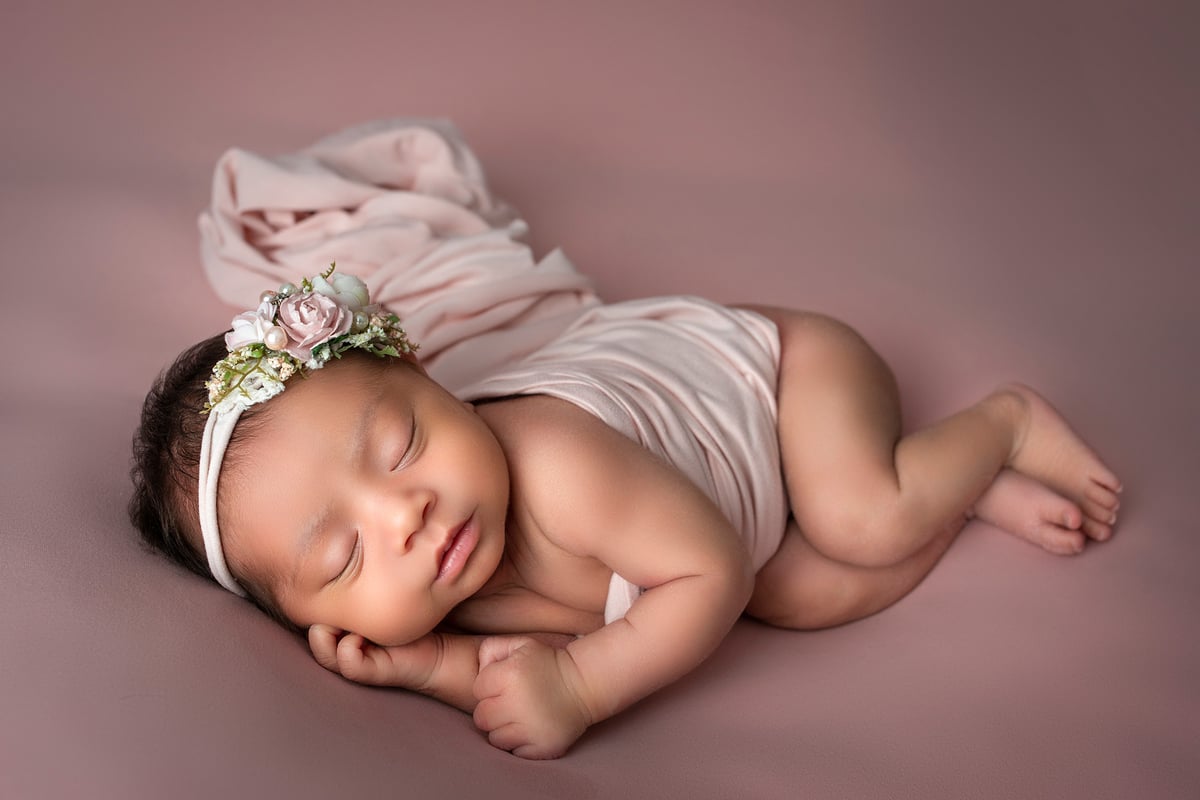
About the Photographer
Hi, I’m Amber, the photographer behind One Big Happy Photo, and I’ve spent over 12 years perfecting the art of newborn and maternity photography. My work as a CT newborn photographer has taught me that mastering different kinds of photography shots isn’t about following rules-it’s about understanding which perspectives best capture each unique baby and family. Whether you’re looking for a Connecticut newborn photographer or seeking maternity photography CT services, my goal remains constant: creating heirloom-quality images through technical excellence combined with genuine connection. Every session I photograph draws on this extensive experience to ensure your family receives a complete gallery representing your story through varied, beautiful perspectives.
Choosing the Right Shots for Your Session
When planning your newborn or maternity session, understanding these different shot types helps you communicate your vision and appreciate the artistry your photographer brings. You don’t need to request specific shots by technical name-a good Connecticut newborn photography professional already plans comprehensive coverage.
However, knowing what to expect helps you:
- Understand why photographers move through different positions and distances
- Appreciate the purpose behind various setups and poses
- Communicate preferences about specific details or perspectives you love
- Feel confident that your session will include diverse, complete coverage
Trust your photographer’s expertise in selecting and sequencing shots, but don’t hesitate to mention if there are specific perspectives or details particularly meaningful to you. The best newborn photography Connecticut sessions happen when families and photographers collaborate toward shared vision.
Different kinds of photography shots work together like instruments in an orchestra-each plays a distinct role, but the magic happens when they harmonize into something greater than individual parts. Your newborn gallery should sing with variety while maintaining cohesive beauty that tells your unique story.
Mastering different kinds of photography shots creates the foundation for compelling visual storytelling, whether you’re documenting your growing family or planning your newborn session. From establishing wide shots that set the scene to intimate macro details that capture fleeting newborn features, each shot type serves specific emotional and artistic purposes. Ready to create your own heirloom-quality newborn portraits using this complete range of photographic perspectives? One Big Happy Photo serves families throughout Connecticut, New York, and Massachusetts with personalized luxury newborn photography that captures every precious detail your family will treasure for generations. Let’s work together to tell your unique story through beautiful, varied imagery that honors this remarkable moment in your family’s journey.