
Newborn Shoot: Your Complete Guide to Perfect Photos
There’s something absolutely magical about those first few weeks with your newborn. Their tiny fingers, soft coos, and that unmistakable baby scent create moments you’ll want to preserve forever. A new born shoot offers you the opportunity to capture these fleeting days in stunning, professional images that become treasured family heirlooms. But if you’re like most new parents, you probably have questions about when to schedule, how to prepare, and what to expect during your session.
Understanding the Perfect Window for Your New Born Shoot
Timing truly makes all the difference when it comes to newborn photography. The sweet spot for scheduling your new born shoot is within the first 5 to 14 days after birth. During this brief window, babies typically sleep more soundly and still naturally curl into those adorable womb-like poses that make newborn photos so distinctive.
Why does this timing matter so much? Newborns in their first two weeks are:
- More flexible and easier to pose safely
- Sleepier and less likely to wake during positioning
- Less affected by baby acne or infant skin conditions
- Still displaying that fresh, brand-new appearance
Planning ahead is essential. Many parents book their newborn photography session during the second trimester of pregnancy, then contact their photographer once baby arrives to confirm the exact session date. This approach ensures you secure a spot on your photographer’s calendar during those precious early days.
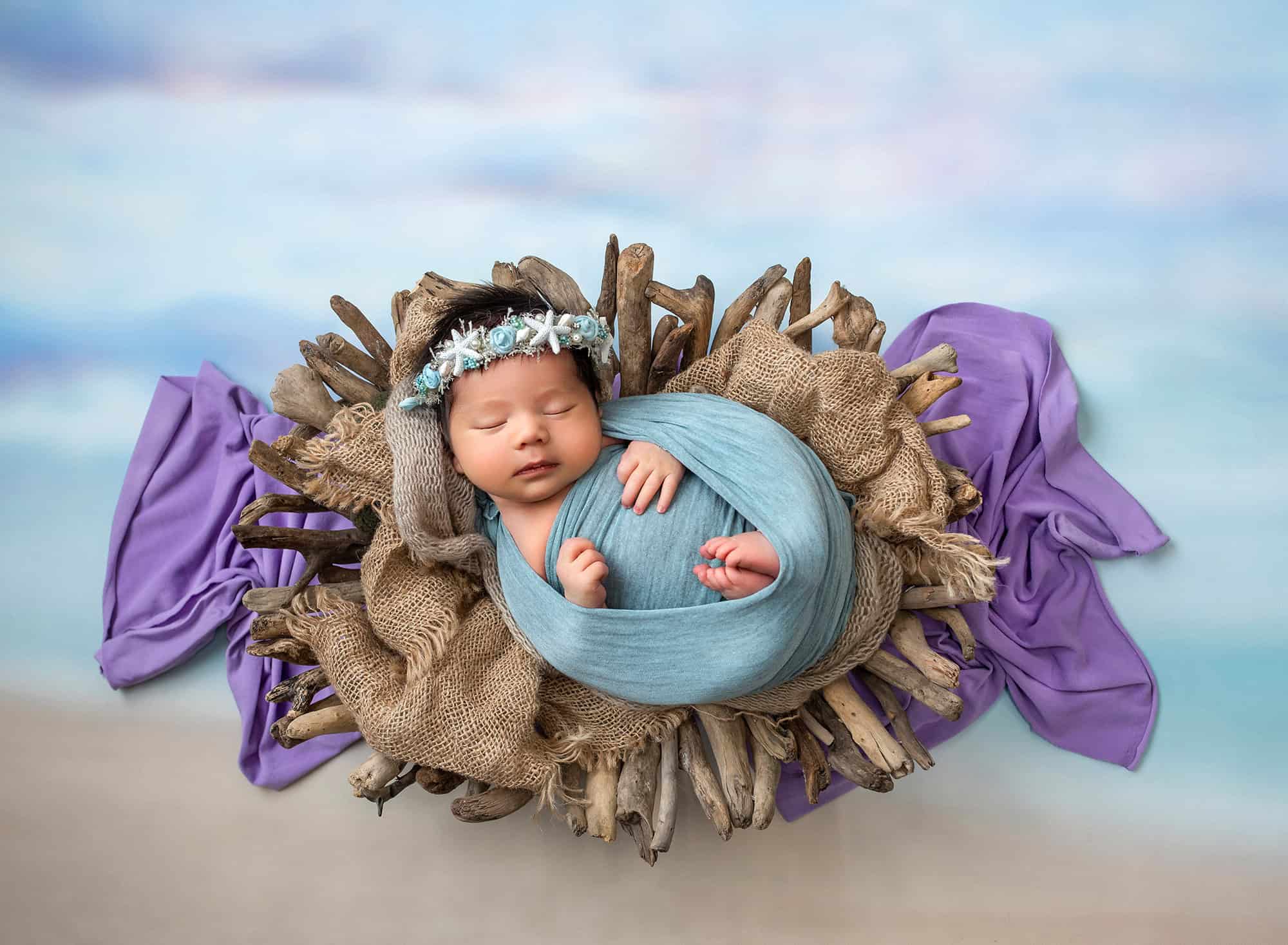
What If Your Baby Arrives Early or Late?
Life doesn’t always follow our carefully made plans. If your baby arrives earlier or later than expected, don’t stress. Professional newborn photographers understand that babies set their own schedules. The key is communicating with your photographer as soon as possible after birth to adjust your session timing accordingly.
Some babies photograph beautifully even at three or four weeks old, especially if they’re good sleepers. The expertise of your photographer in creating a comfortable environment matters more than hitting the exact day count.
Essential Preparation Steps Before Your New Born Shoot
Walking into your new born shoot feeling prepared transforms the experience from potentially stressful to genuinely enjoyable. Let’s talk about what you can do in the days leading up to your session to ensure everything goes smoothly.
For Your Baby
The night before and morning of your session, keep these tips in mind:
- Skip the bath immediately before. A bath 12-24 hours before the session is perfect, but bathing right before can make baby more alert than sleepy.
- Feed on demand. Keep your baby on their regular feeding schedule, and plan to feed them right before arriving at the studio.
- Keep them awake during the drive. If possible, keep baby alert during the car ride to the studio so they’re ready to eat and sleep once you arrive.
- Dress simply. Loose-fitting clothes without tight elastic prevent marks on baby’s delicate skin that can show in photos.
For Parents and Siblings
Your new born shoot isn’t just about baby. Many sessions include family photos, so come prepared:
- Choose solid-colored, comfortable clothing that coordinates without matching exactly
- Avoid busy patterns, logos, or bright graphics that distract from faces
- Bring extra bottled milk or formula if you’re supplementing
- Pack pacifiers, even if baby doesn’t usually take one
- Have a small snack for older siblings who might get restless
| Preparation Item | Why It Matters | When to Do It |
|---|---|---|
| Baby’s bath | Prevents excessive alertness | 12-24 hours before |
| Feeding schedule | Ensures full, sleepy baby | On demand, feed before arrival |
| Clothing selection | Avoids skin marks and distractions | Laid out night before |
| Sibling entertainment | Keeps older kids happy during session | Pack morning of session |
Safety Must Come First in Every New Born Shoot
As a parent, your baby’s safety is your top priority, and it should be your photographer’s top priority too. Professional newborn photographers receive specialized training in safe handling and positioning techniques that protect your precious little one throughout the session.
Never compromise on safety for the sake of a photo. Those gorgeous images you see of newborns in seemingly impossible poses? Many are composite images, carefully created through multiple shots where baby is fully supported, then digitally combined. Understanding essential safety guidelines helps you ask the right questions when choosing your photographer.
Temperature and Comfort Considerations
Newborns can’t regulate their body temperature effectively, which is why professional studios maintain a warm environment during sessions. Expect the studio to feel quite toasty, typically between 75-85 degrees Fahrenheit. This warmth keeps baby comfortable when undressed and helps them sleep more soundly.
Your photographer should also:
- Monitor baby’s color and breathing constantly
- Never leave baby unattended on elevated surfaces
- Support baby’s head and neck during all transitions
- Watch for signs of discomfort or distress
- Take breaks whenever baby needs feeding or soothing
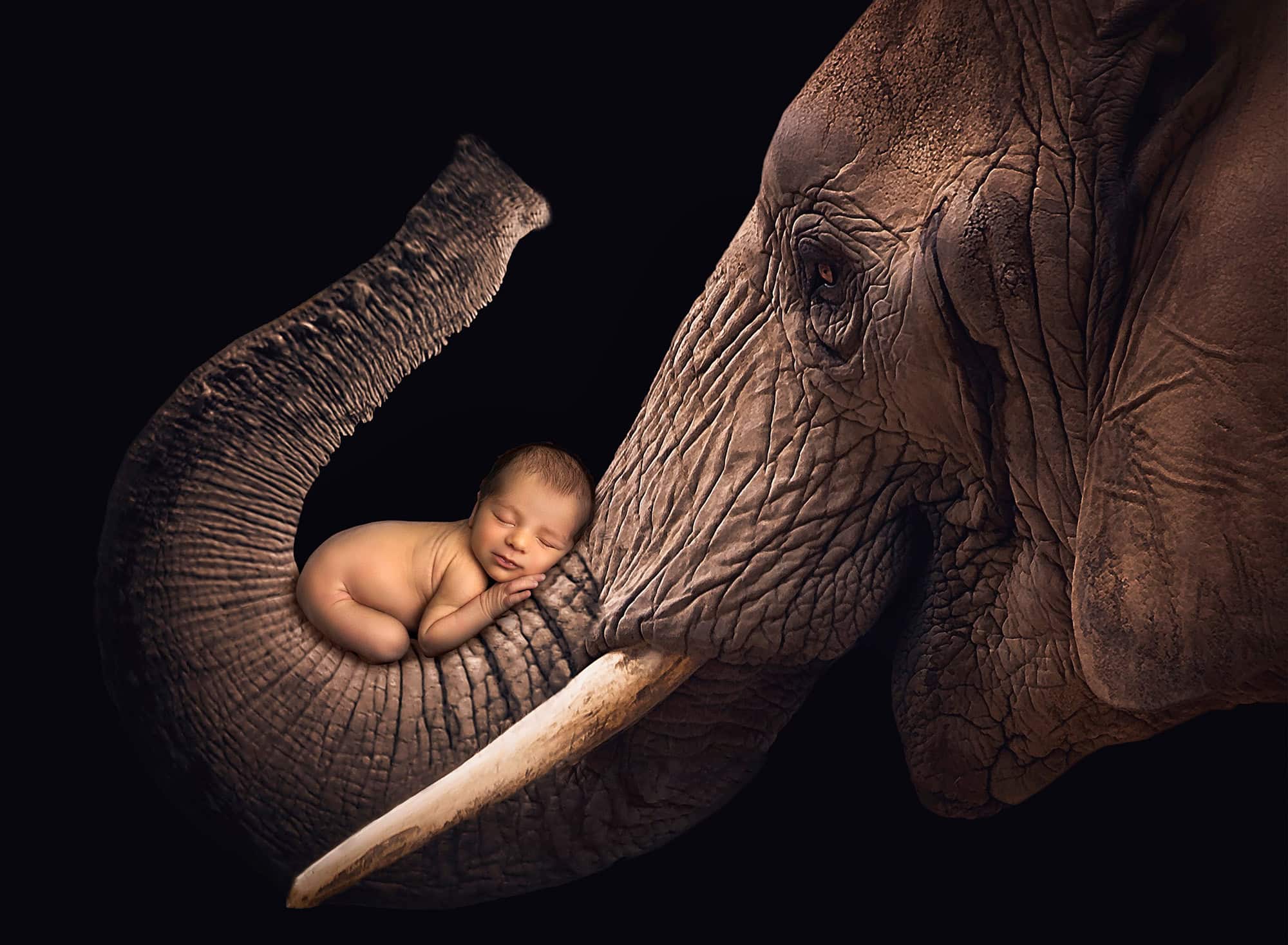
Popular Styles and Poses for Your New Born Shoot
Every new born shoot reflects both the photographer’s artistic vision and your family’s personality. Understanding different styling options helps you communicate your preferences and ensures you receive images you’ll absolutely love.
Classic Newborn Poses
Traditional newborn photography includes several timeless poses:
- Taco pose: Baby curled on their side with knees tucked
- Froggy pose: Hands supporting chin (always composited for safety)
- Tushy-up pose: Baby sleeping peacefully on their tummy
- Wrapped portraits: Cozy images with baby swaddled in soft fabrics
- Parent shots: Tender moments with mom, dad, or both
Lifestyle vs. Studio Sessions
You’ll generally choose between two primary approaches for your new born shoot. Studio sessions offer controlled lighting, professional props, and a curated collection of backdrops and accessories. These sessions typically produce the polished, magazine-worthy images many parents envision.
Lifestyle sessions take place in your home and capture more candid, documentary-style moments. These might include nursing, siblings meeting baby, or quiet moments in the nursery. The authentic beauty of in-home newborn portraits appeals to families seeking a more relaxed, personal approach.
| Session Type | Best For | Typical Duration | Style |
|---|---|---|---|
| Studio | Premium heirloom portraits | 2-4 hours | Posed, artistic, controlled |
| Lifestyle/Home | Documentary moments | 1-2 hours | Candid, natural, personal |
| Hybrid | Families wanting both | 3-5 hours | Mix of posed and candid |
What to Expect During Your New Born Shoot
Understanding the flow of a typical session helps you feel more relaxed and prepared. Most newborn photography sessions follow a gentle rhythm that prioritizes baby’s needs above everything else.
Session Timeline and Flow
Your photographer will likely begin with parent and family photos while baby is still somewhat alert. This strategic sequencing means you’re not waiting until the end when everyone’s exhausted. After family shots, the session transitions to baby’s solo portraits.
Patience is absolutely essential. Professional newborn photographers allow ample time for the session, knowing that babies need frequent feeding breaks, diaper changes, and soothing. A two-hour session might include 30-45 minutes of actual photography, with the rest devoted to baby care.
Don’t be surprised if your photographer uses:
- White noise machines or soft music to soothe baby
- Space heaters to maintain comfortable temperature
- Careful lighting adjustments between setups
- Gentle posing techniques that take several minutes per pose
How Many Photos Will You Receive?
This varies significantly by photographer and package, but most professional new born shoot sessions result in 15-50 fully edited, high-resolution images. Some photographers offer larger galleries, while others provide smaller, highly curated collections.
More importantly than quantity is quality. Creating artistic and heirloom-quality photographs requires significant time in both shooting and post-processing. Each image receives individual attention during editing to ensure perfect skin tones, remove temporary blemishes, and enhance the overall beauty of the portrait.
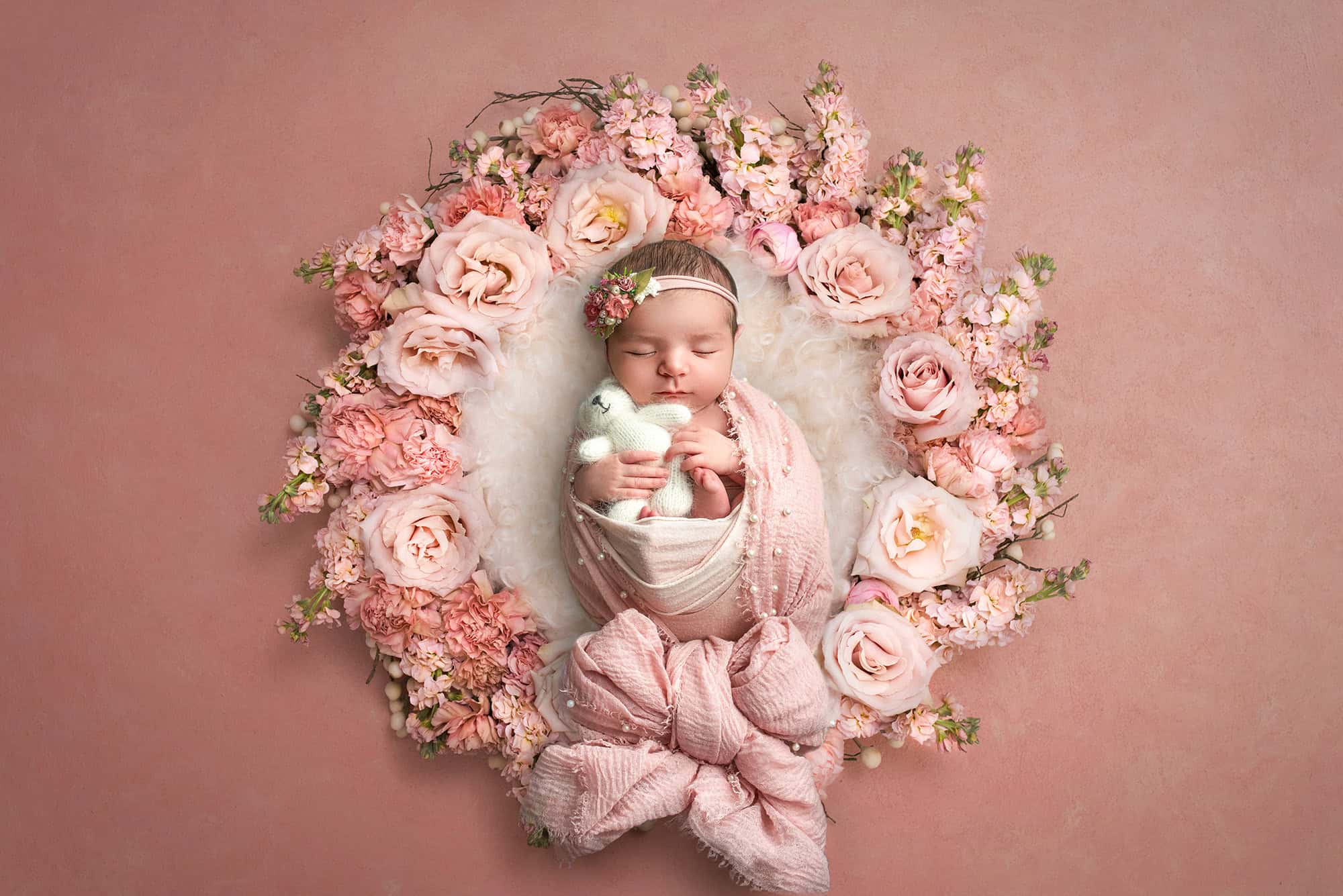
Choosing Props, Colors, and Personalization
One of the most exciting aspects of planning your new born shoot is selecting the aesthetic details that make your images uniquely yours. Professional photographers typically provide a curated selection of props, wraps, and accessories, but many also welcome meaningful items from your home.
Working With Your Photographer’s Collection
Most newborn photographers maintain an extensive inventory of props specifically chosen for safety, comfort, and visual appeal. These might include:
- Soft wraps and layers in neutral and seasonal colors
- Textured blankets and fabrics
- Wooden bowls, baskets, and small beds
- Headbands, bonnets, and simple accessories
- Specialized posing aids designed for newborn safety
Trust your photographer’s expertise in color selection and prop styling. They understand which combinations photograph beautifully and which might clash or distract from your baby’s features.
Adding Personal Touches
Bringing items from home adds sentimental value to your new born shoot. Consider including:
- A special blanket made by a family member
- An heirloom christening gown or family outfit
- Items representing your heritage or family traditions
- Something from the nursery, like a favorite stuffed animal
- Birth announcement details or hospital bracelets
Just remember that incorporating sentimental items works best when done thoughtfully. One or two meaningful pieces make a stronger statement than overwhelming the images with props.
Technical Considerations That Affect Your Images
While you don’t need to understand photography technicalities to have a successful new born shoot, knowing a bit about what happens behind the camera helps you appreciate the artistry involved.
Lighting Makes or Breaks Newborn Photos
Professional photographers use carefully controlled lighting to create the soft, flattering illumination that makes newborn skin glow. Natural window light, studio strobes with diffusers, or continuous LED lights each create different moods and effects.
The importance of proper lighting extends beyond aesthetics. Gentle, indirect light keeps baby comfortable and prevents harsh shadows that can emphasize temporary infant skin conditions. Your photographer positions lights to wrap around baby’s features, creating dimension without harshness.
Angles and Perspectives
Professional newborn photographers shoot from various angles to capture baby’s features most flatteringly. Shooting from slightly above creates those adorable sleeping portraits, while eye-level shots during awake moments capture personality and expression.
Many photographers use a 50mm lens for newborn work, allowing them to maintain comfortable distance while still capturing intimate details. This prevents disturbing baby with camera equipment too close to their face.
Questions to Ask When Booking Your New Born Shoot
Choosing the right photographer for your newborn session involves more than just liking their portfolio. You want someone whose style matches your vision, whose safety practices are impeccable, and whose personality makes you feel comfortable.
Safety and Experience Questions
- How long have you been photographing newborns specifically?
- What safety training have you completed?
- How do you ensure baby’s safety during posed shots?
- What’s your backup plan if baby isn’t cooperating?
- How do you handle temperature control and baby comfort?
Practical and Logistical Questions
Ask about session length, what’s included in your package, turnaround time for edited images, and printing options. Understanding these details upfront prevents surprises later.
Don’t hesitate to ask about the photographer’s approach to crying or fussy babies. Experienced newborn photographers remain calm and patient, knowing that babies sometimes need extra time to settle. This attitude makes the entire experience more pleasant for everyone involved.
Making the Most of Your Investment
A professional new born shoot represents a significant investment in preserving memories from this fleeting stage. Maximizing the value of that investment means thinking beyond the session itself to how you’ll preserve and display your images.
Printing and Display Options
Digital files are wonderful, but printing and displaying photos gives them life. Consider these options:
- Canvas gallery wraps for nursery or hallway displays
- Fine art prints in premium frames for formal spaces
- Photo albums as heirloom pieces to share with family
- Birth announcements featuring your new born shoot images
- Small prints for grandparents and extended family
Many photographers offer print packages or can recommend premium labs that produce archival-quality pieces. These professional prints use superior papers and inks that resist fading, ensuring your images look beautiful for generations.
Coordinating With Other Baby Milestones
Your new born shoot is just the beginning of your baby’s photography journey. Consider booking a series that includes:
- Newborn (0-2 weeks)
- Three months (often the first big smiles)
- Six months (sitting stage)
- Nine months (crawling and personality emerging)
- One year (cake smash or milestone session)
Booking multiple sessions together often provides pricing advantages and ensures consistency in style as your baby grows. Plus, having future sessions scheduled means one less thing to remember during those busy early months.
Common Concerns and How to Address Them
Even with thorough preparation, you might worry about certain aspects of your new born shoot. Let’s address some frequent concerns parents share.
“What If My Baby Won’t Stop Crying?”
This happens, and experienced photographers expect it. Babies cry for many reasons: hunger, gas, overstimulation, or simply needing a break. Professional photographers understand infant cues and will pause the session for feeding, burping, or soothing as needed.
Some babies take longer to settle than others. That’s why professional newborn sessions build in extra time. There’s absolutely no rush, and forcing a fussy baby results in tense photos that nobody enjoys.
“My Baby Has Baby Acne”
Temporary infant skin conditions like baby acne, newborn rash, or jaundice are incredibly common. Professional retouching can minimize these temporary conditions while keeping baby’s natural skin texture and features. Your photographer should handle this sensitively, removing distractions without creating an artificial appearance.
“I’m Not Comfortable Being Photographed Postpartum”
Many new mothers feel self-conscious about being photographed shortly after giving birth. Here’s what helps:
- Choose comfortable, flowing clothing that makes you feel confident
- Remember that these photos focus on connection, not appearance
- Consider close-up shots showing just hands, baby’s face near yours, or detail shots
- Trust that your photographer knows flattering angles and lighting
The emotion and connection in parent photos make them incredibly precious. Years from now, you’ll treasure these images of you with your brand-new baby, regardless of how you felt about your appearance at the time.
Creating beautiful memories from your baby’s earliest days doesn’t have to feel overwhelming or stressful. With the right preparation, a clear understanding of what to expect, and a trusted photographer who prioritizes both artistry and safety, your new born shoot becomes an experience you’ll remember as fondly as the images themselves. One Big Happy Photo, LLC specializes in creating custom newborn photography experiences throughout Connecticut, New York, and Massachusetts, combining premium artistry with the safety protocols and personal attention that make your session as comfortable as it is memorable.