
Newborn Photography Blankets: A Complete Guide
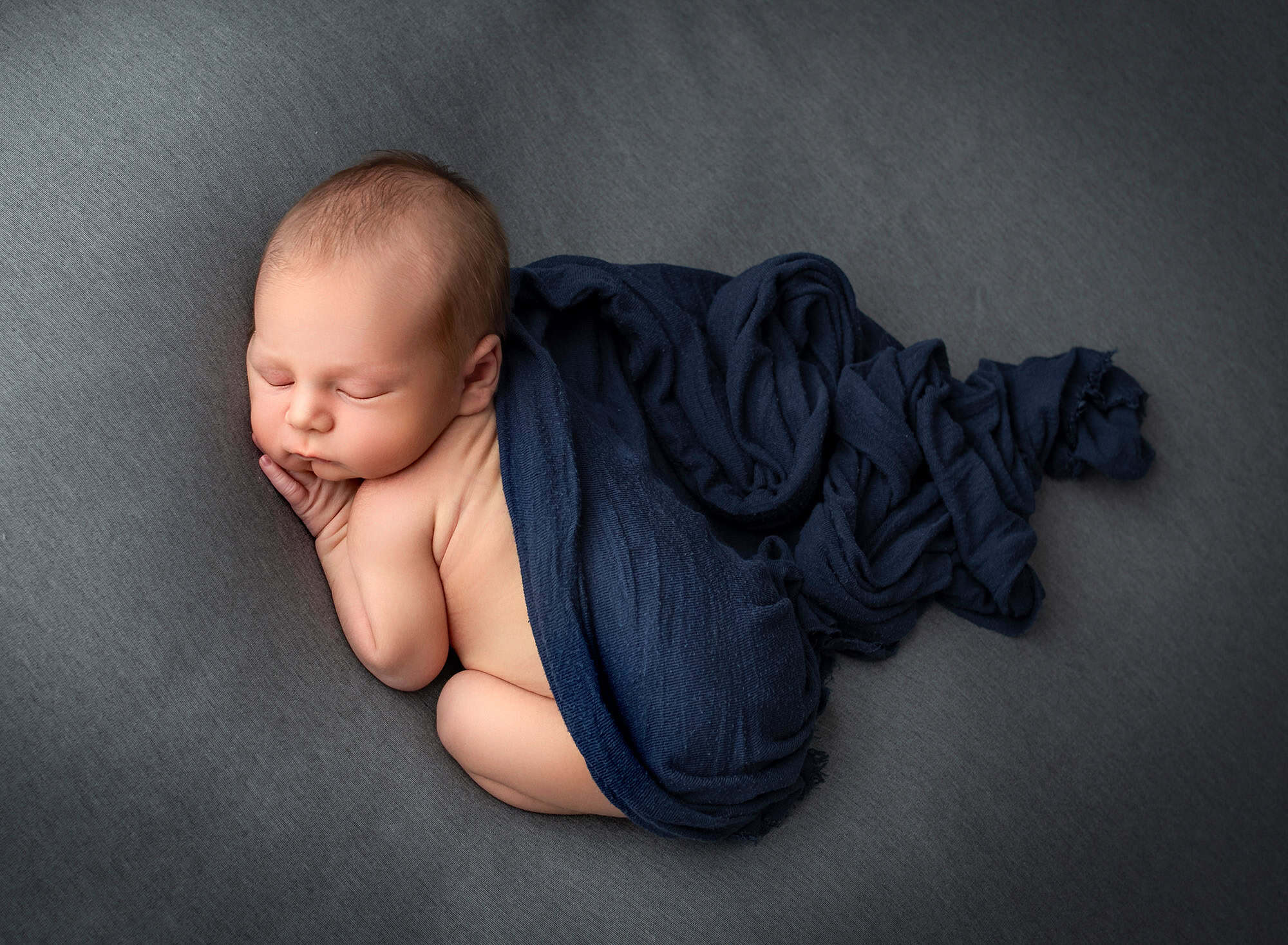
When you’re planning a newborn session, the smallest details make the biggest difference. Among all the props and accessories available, newborn photography blankets stand out as one of the most versatile and essential elements for creating timeless, heirloom-quality images. These aren’t just ordinary blankets-they’re carefully selected pieces that add texture, warmth, and visual depth to your newborn portraits while keeping your baby comfortable and safe throughout the session.
Why Newborn Photography Blankets Matter More Than You Think
The right blankets transform a simple portrait into an artistic masterpiece. They create layers that draw the eye to your baby’s delicate features while providing a cohesive color story throughout your gallery. Unlike regular baby blankets, photography-specific options are designed with texture, drape, and photographic qualities in mind.
Professional photographers understand that blankets serve multiple purposes:
- Creating visual depth through layering
- Providing comfort and warmth for sleepy babies
- Adding pops of color that complement skin tones
- Establishing a cohesive aesthetic across multiple poses
- Offering textural interest without overwhelming the subject
As a CT newborn photographer with over 12 years of experience, I’ve learned that investing in quality blankets isn’t just about aesthetics. The right materials help maintain the perfect studio temperature while giving babies that cozy, secure feeling they need to sleep peacefully through multiple setups and poses.
Material Choices That Make a Difference
Not all fabrics photograph equally. Some materials create unwanted shine under studio lights, while others fall flat and lifeless in images. Understanding which materials work best helps you build a collection that delivers consistent, beautiful results.
Natural Fibers vs. Synthetic Options
Natural fibers generally photograph more beautifully than synthetics. Wool, mohair, and cotton each bring unique qualities to your images. Wool blankets for newborn photography offer exceptional texture and a luxurious feel that translates beautifully on camera.
| Material | Texture Quality | Photography Appeal | Comfort Level | Durability |
|---|---|---|---|---|
| Mohair | Soft, fluffy | Excellent | High | Medium |
| Wool | Rich, warm | Excellent | High | High |
| Cotton | Smooth, clean | Good | Very High | Very High |
| Synthetic | Variable | Fair to Good | Medium | High |
| Linen | Crisp, textured | Good | Medium | High |
The texture you choose impacts the entire mood of your images. Chunky knit blankets create a cozy, rustic feel perfect for organic, natural-looking portraits. Smoother fabrics work beautifully for classic, timeless images that focus purely on your baby’s features.
Understanding Knit Types and Weaves
Hand-knitted blankets offer something machine-made versions can’t replicate-irregular, organic texture that catches light in interesting ways. Many Connecticut newborn photography studios stock hand-knitted options specifically for this reason.
Different knit styles create different effects:
- Chunky knits – Bold texture, rustic feel, great for layering
- Fine knits – Subtle texture, elegant appearance, versatile across styles
- Lacy patterns – Delicate, feminine, perfect for girls
- Basket weave – Structured texture, classic appeal, works for any gender
When building your collection, variety matters. You want options that work across different aesthetic preferences, from modern and minimalist to warm and rustic.
Size Considerations for Different Poses
Newborn photography blankets come in various sizes, and understanding which size works for specific poses prevents frustration during sessions. Mini blankets work perfectly for wrapping and smaller setups, while larger pieces create beautiful base layers.
Mini Blankets vs. Full-Size Options
Mini blankets designed for newborn photography typically measure around 24×36 inches-perfect for most posed newborn work. These smaller sizes are easier to wash, store, and manipulate during sessions.
Here’s when to use each size:
- Mini blankets (24×36″) – Wrapping poses, on-the-back poses, layering pieces
- Medium blankets (36×48″) – Base layers, parent-and-baby shots, twin sessions
- Large blankets (48×60″+) – Family poses, creating draping backgrounds, floor layers
Professional newborn photography CT studios often maintain collections with multiple sizes of the same color and texture. This allows for seamless transitions between solo baby poses and family groupings without visible changes in the background aesthetic.
Color Theory for Newborn Blankets
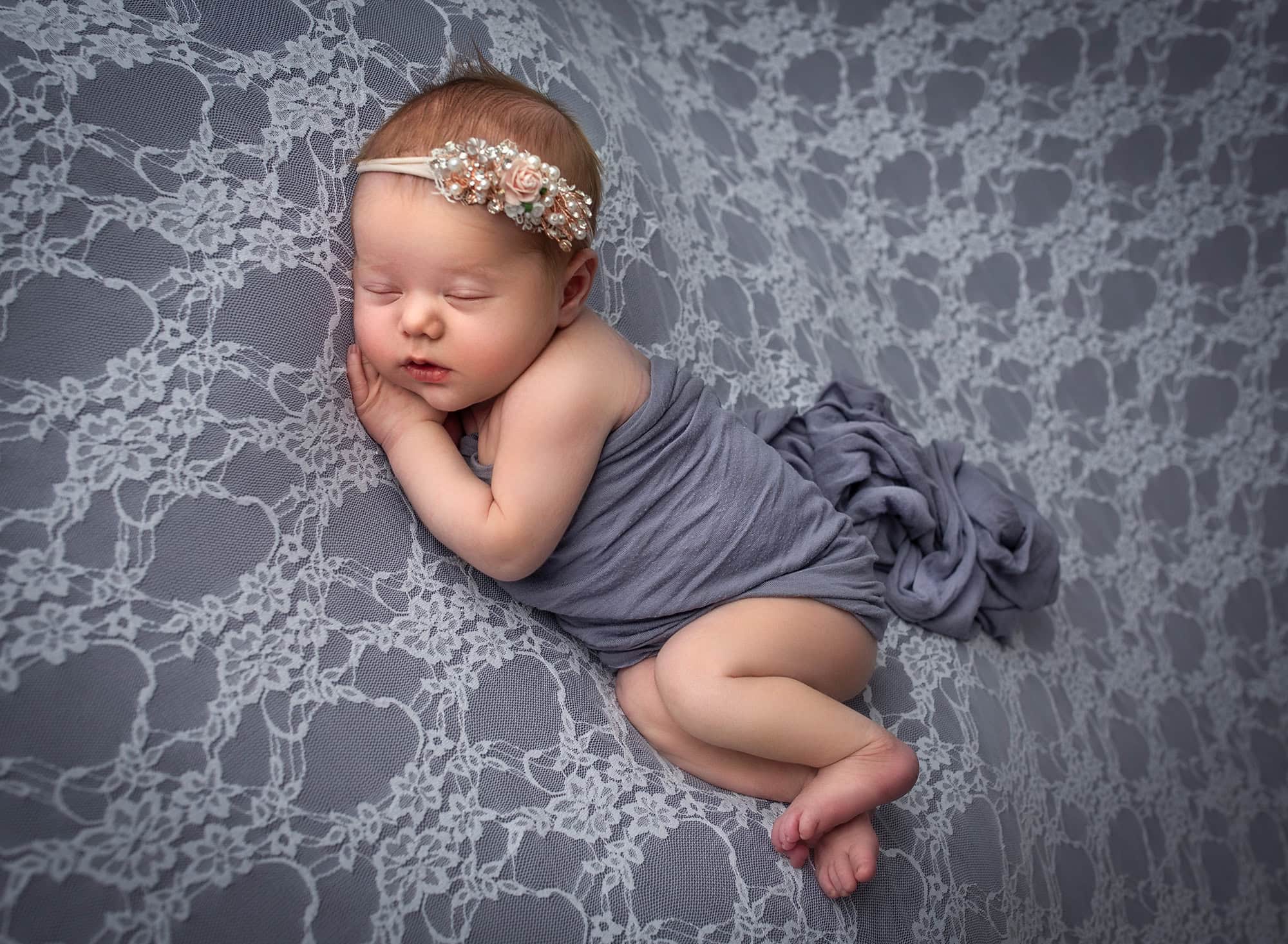
Color selection goes far beyond personal preference. The colors you choose affect how your baby’s skin tone appears in images and set the emotional tone for the entire gallery. Understanding color relationships helps you make strategic choices that enhance rather than distract.
Neutral Foundations
Neutral colors form the backbone of any professional blanket collection. Creams, tans, grays, and soft whites work universally across skin tones and gender. They create a timeless quality that ensures your images won’t look dated in five or ten years.
A Connecticut newborn photographer working with diverse families needs a strong neutral foundation. These colors allow your baby to remain the focal point while providing enough visual interest to prevent flat, boring images.
Strategic Pops of Color
While neutrals anchor your collection, strategic color choices create variety and emotional resonance. Soft pastels work beautifully for spring babies, while deep jewel tones add richness to fall sessions.
| Color Family | Emotional Impact | Best For | Pairing Suggestions |
|---|---|---|---|
| Soft Pinks | Sweet, gentle | Girls, spring | Cream, ivory, light gray |
| Dusty Blues | Calm, peaceful | Boys, any season | Tan, charcoal, white |
| Sage Green | Natural, organic | Any gender | Cream, brown, ivory |
| Deep Purple | Rich, regal | Girls, fall | Gray, cream, dusty pink |
| Warm Browns | Earthy, cozy | Any gender | Cream, rust, sage |
When working with families who want input on color choices, I recommend looking at their nursery colors or family wardrobe. This creates cohesion between their session and their home environment, making the final portraits feel perfectly suited for display.
Safety Considerations You Can’t Ignore
Beautiful blankets mean nothing if they compromise baby safety. Temperature regulation, breathability, and cleanliness all play crucial roles in ensuring every session prioritizes your newborn’s wellbeing above all else.
Washing and Sanitization
New blankets should always be washed before first use. Residual dyes, chemicals, or manufacturing residue can irritate newborn skin. Between sessions, proper cleaning prevents the spread of germs and keeps fabrics soft and fresh.
Proper care extends blanket life and ensures safety:
- Wash in gentle, fragrance-free detergent
- Avoid fabric softeners that leave residue
- Air dry or use low heat to prevent shrinkage
- Store in clean, enclosed containers between sessions
- Inspect regularly for pilling, tears, or wear
Professional newborn photography Connecticut studios maintain strict hygiene protocols. Fresh blankets for each session, proper storage between uses, and regular inspection ensure families receive the safest possible experience.
Temperature and Comfort
Newborns photograph best when they’re warm and sleepy. However, overheating poses serious risks. The blankets you choose should provide warmth without becoming suffocating or restrictive.
Natural fibers like cotton and wool regulate temperature better than synthetics. They allow air circulation while maintaining cozy warmth-exactly what sleeping newborns need for comfortable, extended sessions. For families seeking professional newborn photography sessions, this attention to comfort and safety creates a stress-free experience that shows in relaxed, peaceful portraits.
Building Your Collection Strategically
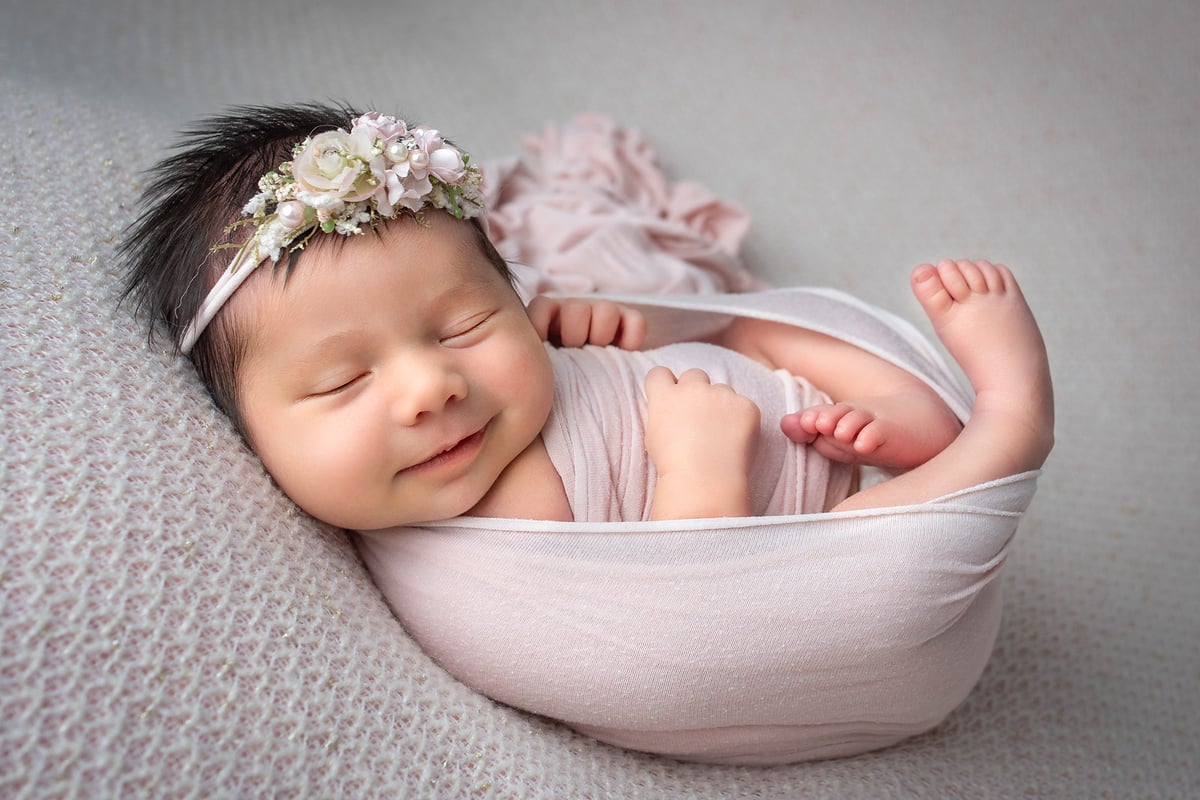
Whether you’re a parent preparing for your own baby’s session or a photographer building your prop inventory, strategic collection-building saves money while ensuring variety. You don’t need fifty blankets-you need the right twenty.
Essential Colors and Textures
Start with a foundation of neutrals in varying textures. Professional-grade blankets from experienced photographers offer proven quality and photographic appeal.
A starter collection should include:
- 3-4 neutral wraps (cream, tan, gray) in different textures
- 2-3 colorful accent pieces (soft pink, dusty blue, sage)
- 1-2 patterned or specialty blankets for variety
- Multiple sizes of your most-used colors
This foundation gives you endless combination possibilities without overwhelming your storage space or budget. As you work with these core pieces, you’ll naturally identify gaps in your collection based on actual session needs rather than theoretical possibilities.
Quality vs. Quantity
Investing in fewer, higher-quality blankets serves you better than accumulating dozens of mediocre pieces. Curated collections from specialized vendors ensure you’re getting products designed specifically for photography rather than general baby use.
Quality blankets maintain their appearance through repeated washing and use. Cheap alternatives pill, fade, or lose their shape quickly-creating false economy when you’re forced to replace them every few months.
Styling Techniques That Elevate Your Images
Owning beautiful blankets is just the first step. Knowing how to layer, drape, and style them transforms good photos into extraordinary ones. These techniques work whether you’re photographing at home or in a professional CT newborn photography studio setting.
Layering for Depth
Multiple blanket layers create dimensional, interesting compositions. Start with a large base layer, add a contrasting texture in a complementary color, then use smaller pieces for specific areas like under baby’s head or around their body.
Effective layering follows these principles:
- Vary textures between layers for visual interest
- Keep colors within the same tonal family
- Use the softest, finest texture closest to baby’s skin
- Allow layers to show intentionally-perfect edges aren’t necessary
- Create natural folds and draping rather than forced smoothness
The key is making it look effortless. Overly styled, perfectly arranged blankets look artificial. Natural draping with intentional imperfection creates that organic, timeless quality families cherish.
Creating Natural Folds and Texture
Resist the urge to smooth everything perfectly flat. Strategic wrinkles and folds add dimension that photographs beautifully. Light catches these natural variations, creating depth that flat surfaces lack.
For helpful tips on selecting and using blankets effectively, video demonstrations show these techniques in action. Seeing how experienced photographers manipulate fabric helps you develop an eye for what works.
Coordinating Blankets with Overall Session Design
Blankets don’t exist in isolation-they’re part of a larger visual story. Coordinating them with other props, wraps, and accessories creates cohesive galleries that feel intentionally designed rather than randomly assembled.
Working with Wraps and Headbands
The relationship between your base blanket, wrapping fabric, and accessories determines visual flow. Quality wraps in complementary colors create seamless transitions between different setups and poses.
Successful coordination means:
- Choosing wraps one or two shades different from base blankets
- Repeating accent colors across multiple setups
- Varying textures while maintaining color harmony
- Using headbands and accessories to tie disparate elements together
When families look through their full gallery, these thoughtful choices create a cohesive story rather than a collection of unrelated images. Everything feels like it belongs together, even as individual shots offer variety and different moods.
Seasonal Considerations
Your blanket choices can reflect the season without being overly themed. Spring might emphasize soft pastels and lighter textures, while fall sessions lean into richer jewel tones and chunkier knits.
This seasonal awareness helps families connect their newborn portraits to a specific time in their lives. Years later, these subtle seasonal cues trigger memories beyond just “our baby was tiny”-they remember the season, the feeling, the moment in their family’s story.
Special Situations and Problem-Solving
Even with perfect preparation, challenges arise during newborn sessions. Understanding how to adapt your blanket choices and styling solves common problems without disrupting the flow of your session.
Working with Particular Skin Tones
Certain blanket colors complement specific skin tones better than others. Babies with deeper skin tones often photograph beautifully against rich jewel tones or warm creams that provide contrast. Very fair babies need careful color selection to prevent washed-out appearances.
Skin Tone Pairing Guide:
| Skin Tone | Best Blanket Colors | Colors to Avoid |
|---|---|---|
| Fair | Dusty blue, soft pink, sage | Very pale cream, white |
| Medium | Most colors work | Exact skin-tone matches |
| Olive | Deep purple, rust, emerald | Yellow-based colors |
| Deep | Jewel tones, warm cream, burgundy | Cool grays, black |
These aren’t hard rules-more like helpful starting points. Testing during your session’s first few setups helps you identify what works best for each individual baby.
Managing Reflux and Sensitive Skin
Some newborns have reflux or extremely sensitive skin requiring extra precaution. Having backup blankets ready means quick changes without session disruption. Cotton and organic materials work best for babies with sensitivities, even if they’re not your first aesthetic choice.
As a Connecticut newborn photography specialist, I always have alternatives ready. This preparedness ensures families feel confident that their baby’s comfort and safety come first, regardless of photographic considerations.
Maintaining Your Blanket Investment
Quality newborn photography blankets represent significant investment. Proper care and storage protect that investment while ensuring blankets remain photo-ready for years of sessions.
Storage Solutions
Blankets need protection from dust, pests, and moisture. Clear storage containers allow you to see contents while keeping everything clean. Label containers by color family or texture type for quick selection during planning.
Storage best practices include:
- Washing before long-term storage
- Folding rather than stuffing to prevent permanent creases
- Using cedar or lavender sachets for natural pest protection
- Storing in climate-controlled spaces
- Keeping different materials separate to prevent transfer of fibers
Professional studios serving families across CT newborn photography markets often maintain separate “active rotation” and “long-term storage” areas. Active pieces get used regularly, while specialty items emerge for specific requests or seasonal changes.
Knowing When to Replace
Even quality blankets eventually wear out. Pilling, thinning fabric, or loss of texture signal replacement time. While hand-knitted pieces last longer with gentle care, high-use blankets need refreshing every few years to maintain professional quality.
Consider it like any professional tool-regular replacement ensures your work maintains consistent excellence. Faded, worn blankets communicate lack of attention to detail that doesn’t align with luxury service standards.
Budget-Friendly Building Strategies
You don’t need to buy everything at once. Strategic, gradual collection-building creates comprehensive inventory without overwhelming your budget-whether you’re a parent investing in your own session props or a photographer growing your studio offerings.
DIY Options and When They Work
Hand-knitting your own blankets saves money if you have the skills and time. Simple patterns create beautiful results, and you control exactly what colors and textures enter your collection. However, time investment is substantial-consider whether those hours might be better spent on other aspects of your business or family.
For parents planning sessions at One Big Happy Photo, professional studios already maintain extensive collections. Investing in DIY props might not be necessary when your photographer provides everything needed for stunning portraits.
Sales and Secondary Markets
Photography prop vendors regularly offer sales, particularly during slower seasons. Joining email lists and following your favorite makers on social media alerts you to these opportunities. Secondary markets like photography prop swap groups offer gently used pieces at reduced prices.
Smart buying strategies:
- Purchase core neutrals at full price for guaranteed quality
- Wait for sales on specialty colors or experimental pieces
- Buy coordinating sets when available for built-in harmony
- Invest more in blankets that touch baby’s skin directly
- Save on base layers that appear less prominently in images
This balanced approach builds comprehensive collections without breaking budgets. Quality where it matters most, value-conscious choices where appropriate.
Choosing the right newborn photography blankets involves balancing aesthetics, safety, and practical considerations. With thoughtful selection and proper care, quality blankets serve families for years while creating the heirloom-quality portraits they treasure.
As a CT newborn photographer with over 12 years of experience, I’m Michelle, and I’ve helped hundreds of families throughout Connecticut, New York, and Massachusetts capture these precious early moments. At One Big Happy Photo, we maintain an extensive collection of carefully selected blankets and props, ensuring your session produces stunning, timeless images without any stress or preparation on your part. If you’re ready to create beautiful newborn portraits that showcase your baby in the most flattering light, One Big Happy Photo provides the personalized, luxury experience your family deserves.