Newborn Photoshoot at Home: Essential Tips & Ideas
Bringing your newborn home is one of life’s most precious moments, and capturing those early days through photography creates memories you’ll treasure forever. A newborn photoshoot at home offers unique advantages-comfort, convenience, and the ability to document your baby in the environment where your family story begins. Whether you’re planning a DIY session or preparing for a professional photographer’s visit, understanding the essentials of home newborn photography ensures beautiful, safe results that reflect this fleeting chapter.
Creating the Perfect Environment for Your Home Newborn Session
The beauty of a newborn photoshoot at home lies in its authenticity. Your nursery, master bedroom, or living room become the backdrop for images that feel genuinely yours.
Temperature control is your first priority. Newborns photograph beautifully when lightly dressed or wrapped, but they need warmth to stay comfortable and settled. Keep the room between 75-80 degrees Fahrenheit-warmer than you’d normally prefer. This might feel uncomfortably warm for adults, but it mimics the womb environment and keeps your baby calm and sleepy.
Light: The Secret Ingredient
Natural light transforms ordinary rooms into stunning photo locations. Position your setup near large windows that receive indirect sunlight-north-facing windows work beautifully in Connecticut homes because they provide consistent, soft light throughout the day.
- Avoid direct sunlight that creates harsh shadows and hot spots
- Use sheer curtains to diffuse bright light when needed
- Schedule sessions during mid-morning or early afternoon when natural light peaks
- Turn off overhead lights to prevent color casts and maintain a soft, natural glow
The professional tips from Jennifer Loomis Photography emphasize how proper lighting setup distinguishes amateur snapshots from professional-quality images, even when shooting at home.
Safety First: Essential Precautions for Newborn Photography
Safety should never be compromised for the sake of a photograph. As a CT newborn photographer with over 12 years of experience, I’ve learned that the most beautiful images come from sessions where baby’s wellbeing is the absolute priority.
Never leave your newborn unattended or unsupported. Those adorable poses you see on social media-babies in hanging baskets, perched on precarious props, or in seemingly gravity-defying positions-often involve composite photography (multiple images merged together) or constant hands-on support that’s later edited out.
| Safety Element | Why It Matters | How to Implement |
|---|---|---|
| Spotting | Prevents falls during posing | Keep hands within inches of baby at all times |
| Temperature | Keeps baby comfortable and calm | Maintain 75-80°F room temperature |
| Props | Ensures stability | Use only sturdy, tested items; avoid elevated surfaces |
| Timing | Reduces stress | Follow baby’s cues; take breaks as needed |
The comprehensive safety checklist from Zesty Orange Photography covers critical considerations that every parent should understand before a home session.
Baby-Led Sessions Work Best
Your newborn dictates the pace. Hungry? Feed them. Fussy? Take a break. Dirty diaper? Pause and change them. The most successful newborn photoshoot at home experiences happen when parents embrace flexibility rather than rushing through a predetermined shot list.
Connecticut newborn photography sessions typically last 2-4 hours for this reason. Newborns need time to settle, eat, and find that perfect sleepy state that yields those dreamy curled-up poses.
Preparing Your Home and Your Baby
Preparation makes the difference between a stressful scramble and a peaceful session. Start planning several days before your scheduled photoshoot.
Declutter your chosen spaces. You don’t need a perfectly styled home, but removing visual distractions helps. Clear surfaces, tidy backgrounds, and simple setups allow the focus to remain on your baby. The School of Photography’s tutorial demonstrates how minimal, uncluttered environments create the most impactful newborn images.
What to Have Ready
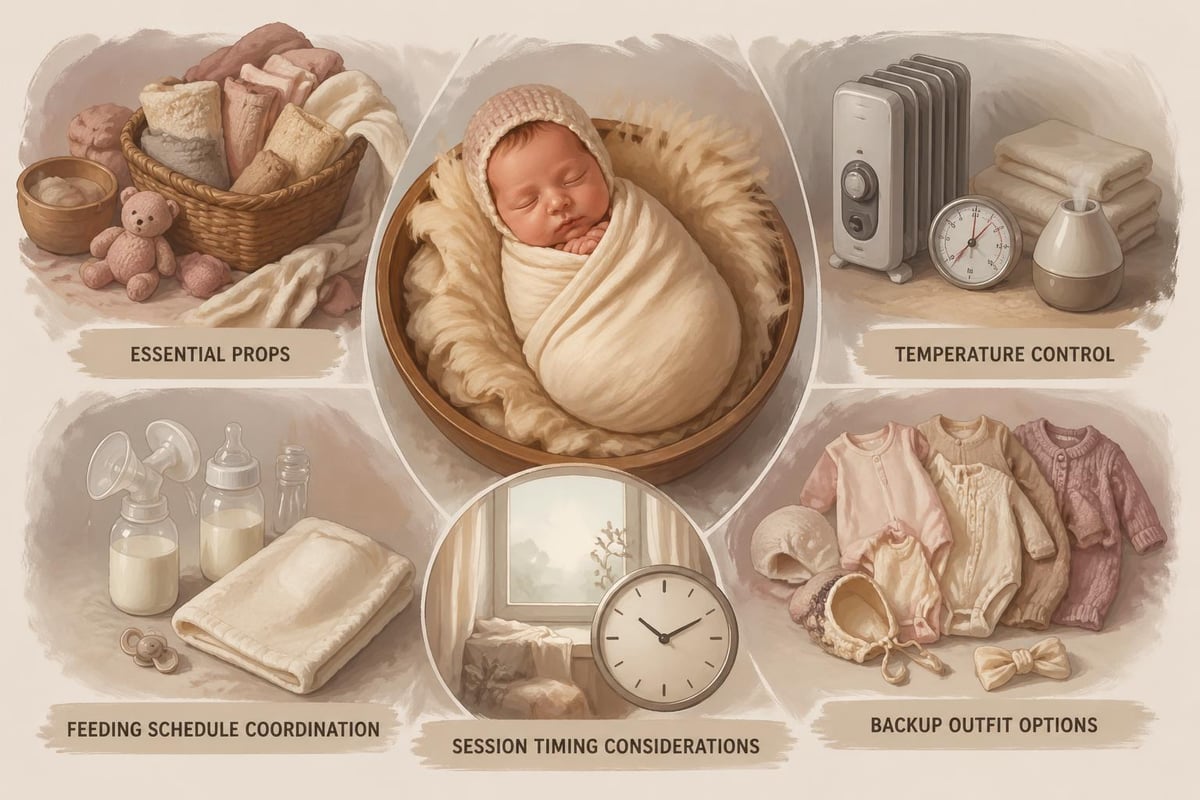
- Multiple blankets and wraps in neutral colors (white, cream, gray, soft pastels)
- Backup outfits for parents in coordinating neutral tones
- Feeding supplies easily accessible
- Diapers and wipes within arm’s reach
- White noise machine or app to help baby settle
- Space heater if needed to maintain temperature
Timing your session strategically increases success dramatically. The ideal window for newborn photography is within the first two weeks after birth, when babies naturally curl into those womb-like positions and sleep more soundly. However, beautiful images are absolutely possible beyond this timeframe with the right approach.
Props, Poses, and Creative Ideas for Home Sessions
One advantage of a newborn photoshoot at home is incorporating meaningful personal elements. Your baby’s nursery, family heirlooms, or sentimental items create unique images that professional studios cannot replicate.
Start simple. The most timeless newborn photographs often feature minimal props-just baby, a soft blanket, and beautiful light. Before adding baskets, bowls, or elaborate setups, master the fundamentals.
Classic Poses That Work at Home
- Taco pose: Baby on their side with knees tucked toward chest
- Tushy-up pose: Baby on their tummy with bottom slightly elevated
- Side-lying: Natural, safe position requiring minimal adjustment
- Wrapped variations: Different wrapping techniques create diverse looks
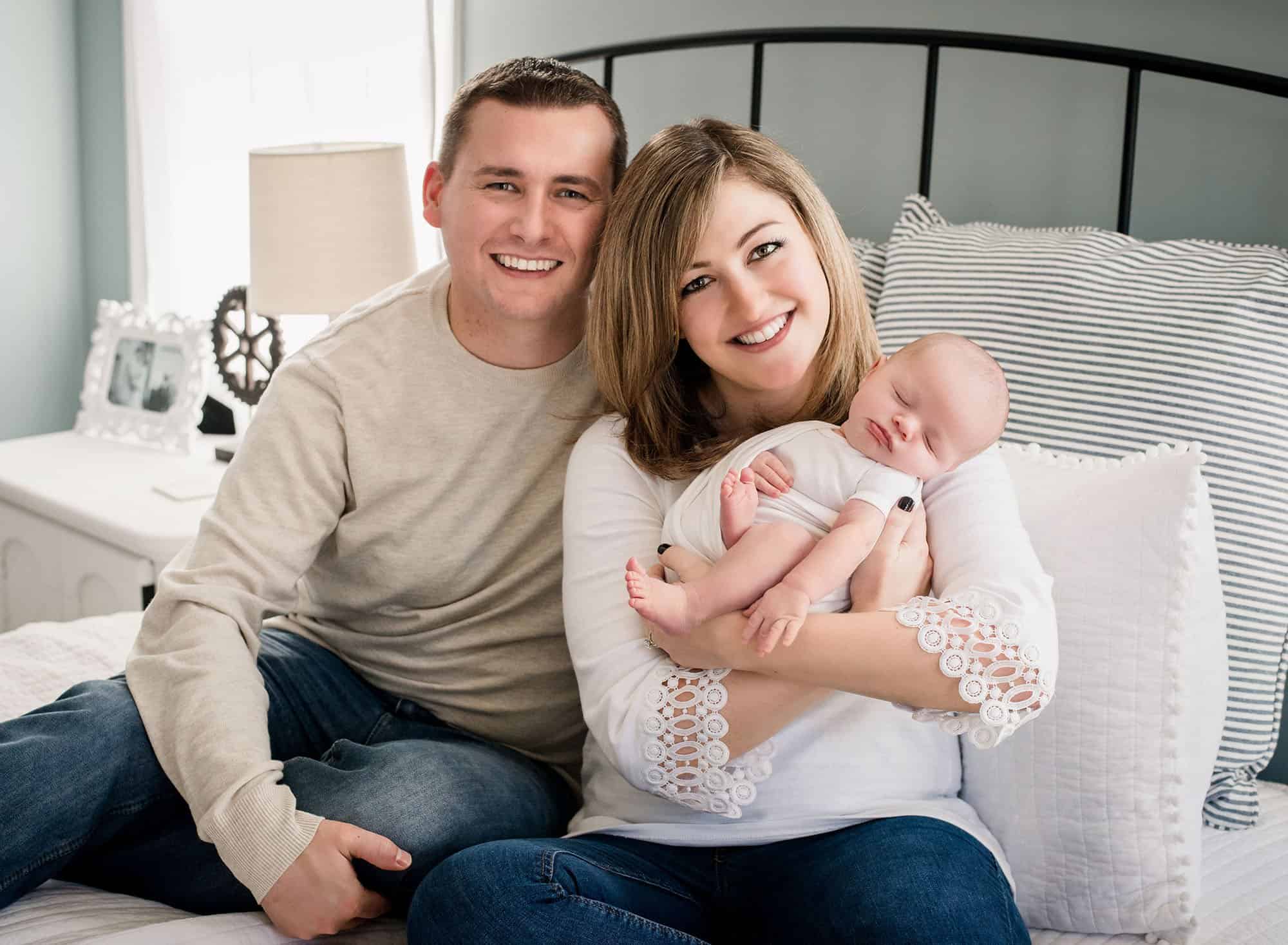
- Parent poses: Close-ups of baby in parent’s arms, on chest, with hands
The ten practical tips from Alternate Angles Photography include excellent suggestions for capturing detail shots-tiny toes, delicate fingers, those perfect lips-that parents treasure as much as full-body images.
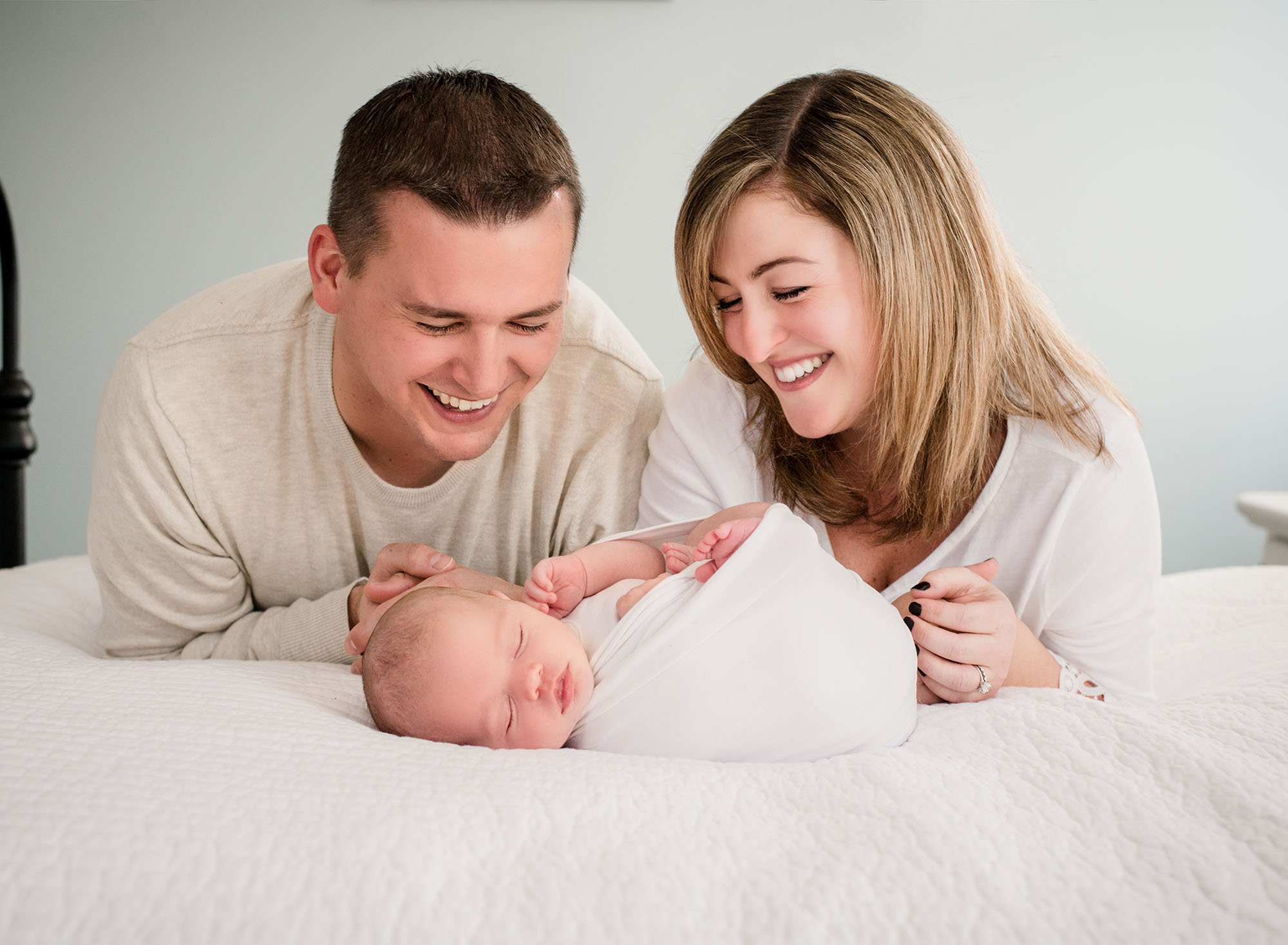
Incorporate family members thoughtfully. Siblings, parents, and even pets can create heartwarming images when included naturally. Avoid forced poses; instead, capture genuine moments of connection. A toddler gently touching their new sibling’s hand, dad’s protective embrace, or mom gazing lovingly at her baby-these authentic moments become family treasures.
| Prop Category | Examples | Safety Notes |
|---|---|---|
| Soft textiles | Blankets, wraps, fabric layers | Ensure breathability; avoid face covering |
| Baskets/bowls | Sturdy containers with padding | Ground-level only; constant support |
| Personal items | Family heirlooms, special blankets | Keep baby safe and comfortable first |
| Accessories | Headbands, hats, simple outfits | Avoid tight elastic; monitor for discomfort |
Camera Settings and Equipment for DIY Sessions
You don’t need professional photography equipment to capture beautiful images during a newborn photoshoot at home, but understanding basic camera operation significantly improves results.
Smartphone cameras in 2026 are remarkably capable. Use portrait mode for that professional background blur, tap to focus on your baby’s face, and avoid using flash. The YouTube tutorial from Huggies® Brand demonstrates effective smartphone photography techniques specifically for newborns.
For DSLR or Mirrorless Camera Users
If you’re using a dedicated camera, these settings provide a solid starting point:
- Aperture: f/2.8-f/4 for individual baby shots; f/5.6-f/8 for family groupings
- ISO: 400-1600 depending on available light (higher in dimmer conditions)
- Shutter speed: Minimum 1/200s to freeze any subtle movement
- White balance: Adjust for warm, natural skin tones (avoid overly cool/blue images)
Shoot in RAW format if possible-this gives you maximum flexibility when editing. Connecticut newborn photographer professionals rely on RAW files to fine-tune color, exposure, and skin tones during post-processing.
Macro or portrait lenses excel for newborn photography. A 50mm f/1.8 lens (affordable and sharp) or 85mm f/1.8 (more flattering compression) produces gorgeous results in home environments where space may be limited.
Working With Professional Photographers for Home Sessions
While DIY newborn photography creates wonderful keepsakes, there’s undeniable value in hiring experienced professionals for a newborn photography session. Professional Connecticut newborn photography brings artistic vision, technical expertise, and most importantly, safety knowledge that comes from years of experience.

When you book a professional newborn photoshoot at home, you’re investing in more than just pictures. You’re gaining a skilled partner who handles all technical aspects while you focus entirely on enjoying these precious moments with your baby. Professional newborn photographers bring curated props, backup equipment, posing expertise, and the ability to problem-solve on the spot when babies have their inevitable fussy moments.
What to expect from a professional home session:
- Pre-session consultation to discuss your vision, colors, and preferences
- Arrival 30-60 minutes early for setup
- Guidance on what to wear and how to prepare
- Complete focus on safety throughout the session
- Professional editing and retouching
- Heirloom-quality prints and products
As a CT newborn photography specialist serving families throughout Connecticut, New York, and Massachusetts, I’ve conducted hundreds of home sessions. Each family’s experience is personalized-we work around your schedule, your space, and your baby’s unique temperament. Visit my portfolio to see examples of home newborn sessions that capture authentic family connections.
Styling and Color Coordination
The visual harmony of your images depends significantly on thoughtful styling choices. A newborn photoshoot at home allows you to control every element, but too many colors or patterns create visual chaos.
Neutral palettes photograph beautifully and remain timeless. Whites, creams, soft grays, and gentle pastels complement newborn skin tones without competing for attention. Save bold colors for small accent pieces rather than dominant elements.
Parent and Sibling Wardrobe
Parents often ask what they should wear during family portions of the session. Follow these guidelines:
- Choose solid colors or very subtle patterns
- Coordinate without matching exactly (boring!)
- Avoid logos, graphics, or busy prints
- Select comfortable, wrinkle-resistant fabrics
- Consider layers for visual interest
- Ensure nursing-friendly options for moms
Siblings present special considerations. Dress young children comfortably-they photograph better when they feel good. Avoid outfits that might cause discomfort or restrict movement. The essential safety tips from Yumestudio include guidance on managing sessions with multiple children safely.
Detail Shots That Tell the Whole Story
Connecticut newborn photography isn’t just about posed portraits. The tiny details of newborn life disappear astonishingly quickly, making close-up photography equally important.
Capture these fleeting details:
- Perfect tiny toes with wrinkled soles
- Delicate fingernails and miniature hands
- Soft newborn hair (before it falls out and regrows)
- Unique birthmarks or features
- Eyelashes, lips, and nose in macro detail
- Umbilical cord remnant (captures those very early days)
These detail shots become increasingly precious as your baby grows. Parents consistently tell me that close-up images of hands, feet, and facial features are among their most treasured photographs.
Environmental details matter too. Document the nursery you carefully prepared, the rocking chair where you’ll spend countless feeding hours, special gifts from loved ones, or the hospital bracelet from birth. These contextual images create a complete visual story of your newborn period.
Editing and Preserving Your Images
Raw, unedited photographs rarely represent the polished images you envision. Post-processing-whether you do it yourself or hire a professional-elevates newborn photography from snapshots to art.
Basic editing includes:
- Adjusting exposure and brightness
- Perfecting white balance for natural skin tones
- Softening backgrounds while maintaining sharpness on baby
- Removing minor skin blemishes (newborn acne, scratches)
- Fine-tuning color saturation
- Cropping for optimal composition
Free and paid editing software options abound in 2026, from beginner-friendly apps to professional programs. However, resist over-editing-newborns don’t need heavy filters or unrealistic smoothing. The goal is enhancing natural beauty, not creating artificial perfection.
Backing Up and Printing
Digital files require proper backup strategies. Use the 3-2-1 rule: three copies of your images, on two different media types, with one stored off-site. Cloud storage services provide excellent off-site backup solutions.
But don’t keep images digital forever. Print your favorites. Create albums. Display wall art. Research shows that physical photographs create stronger emotional connections and are more likely to be viewed regularly than digital files buried in computer folders.
Maternity photography CT specialists and newborn photographer CT professionals emphasize the importance of tangible products-printed photographs survive technological changes and don’t require devices to enjoy them.
Common Challenges and Solutions
Even with perfect preparation, newborn photoshoot at home sessions encounter predictable challenges. Knowing how to handle them reduces stress and improves outcomes.
Baby won’t settle: Try the five S’s-swaddling, side/stomach position (while supervised), shushing, swinging, and sucking. White noise apps work wonders. Sometimes babies simply need more time; patience wins.
Lighting changes throughout the session: Move your setup to follow the light, or use reflectors to bounce light into shadowy areas. White poster boards make inexpensive, effective reflectors.
Limited space: You need far less room than you might think. A 6×6 foot area near a window provides sufficient space for beautiful newborn portraits. Clear furniture temporarily if needed.
Distracting backgrounds: Use wide apertures to blur backgrounds, position your setup strategically to minimize clutter in the frame, or drape simple fabric to create clean backdrops.
| Challenge | Quick Solution | Prevention Strategy |
|---|---|---|
| Baby is gassy/fussy | Burp thoroughly; take a break | Feed 30-45 min before starting poses |
| Room too cold | Add space heater; wait for warmth | Prepare room 1+ hour in advance |
| Harsh window light | Use sheer curtains; shoot slightly away from window | Schedule during softer morning/afternoon light |
| Parent anxiety | Take deep breaths; remember it’s about baby | Review safety guidelines beforehand |
When to Schedule Your Session
Timing impacts everything in newborn photography. While the traditional recommendation suggests photographing within the first 14 days, modern newborn photography CT approaches recognize that beautiful images are possible at any age with appropriate techniques.
The first two weeks offer specific advantages: babies sleep more soundly, curl naturally into womb-like positions, and haven’t yet developed baby acne or infant colic patterns. However, life doesn’t always cooperate with photography timelines. C-section recovery, NICU stays, or simply adjusting to new parenthood might make early sessions impractical.
Three to six weeks can work wonderfully, especially for lifestyle-focused sessions capturing awake, alert moments. Babies at this stage show more personality through expressions and eye contact. Adjust expectations-you’ll capture different moments, not inferior ones.
Contact me to discuss scheduling your session at the optimal time for your family’s unique situation. With 12+ years of experience as a Connecticut newborn photographer, I’ve photographed newborns at every stage and can guide you toward the best timing for your specific vision and circumstances.
Incorporating Siblings and Extended Family
Multi-generational photographs and sibling images add depth to your newborn photography story. A newborn photoshoot at home provides the perfect setting for including family members who might feel uncomfortable in studio environments.
Sibling photography requires realistic expectations. Toddlers and young children have limited patience. Capture sibling shots early in the session when energy and cooperation are highest. Have special activities or snacks ready to occupy siblings during solo newborn portions.
Genuine moments beat forced poses. Rather than demanding a specific position, encourage natural interaction: “Show me how gentle you can be with the baby,” or “Can you tell the baby about your favorite toy?” Authentic sibling connections create the most meaningful images.
Extended family sessions-grandparents meeting the newest family member, for example-create treasured multi-generational heirlooms. These images gain value over time, documenting family connections and creating visual family history.
Planning a successful newborn photoshoot at home centers on safety, preparation, and embracing your baby’s natural rhythm. Whether you’re capturing memories yourself or preparing for a professional session, these fundamentals ensure beautiful, meaningful results. If you’re searching for experienced Connecticut newborn photography that combines artistic vision with absolute safety priorities, One Big Happy Photo, LLC brings 12+ years of expertise to families across Connecticut, New York, and Massachusetts, creating heirloom-quality images in the comfort of your home that you’ll treasure for generations.